Bagan Travel Guide: Temples, Tips & Sunrise
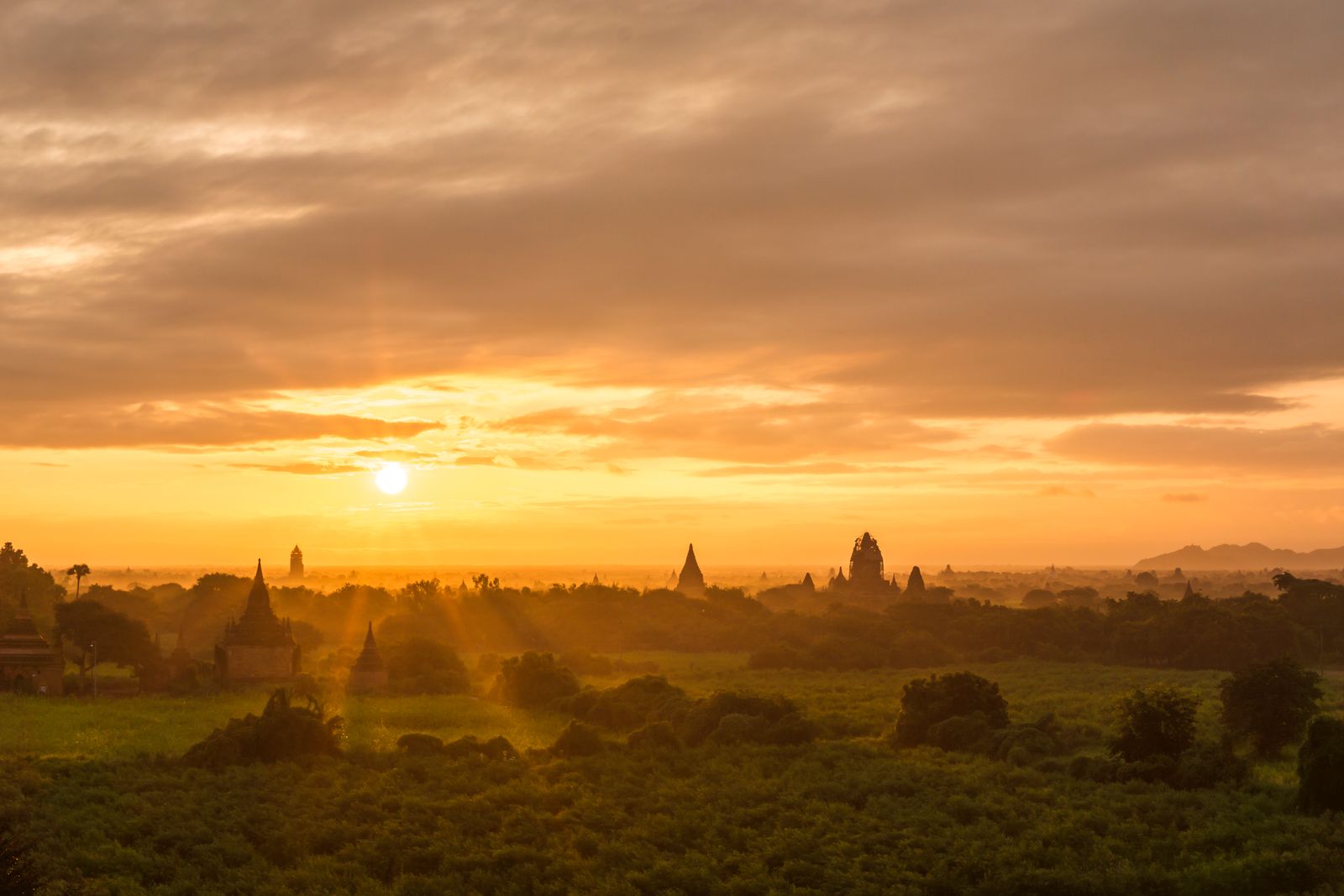
Photo: Phat Nguy (Pexels)
Bagan is one of the great archaeological wonders of Asia. Spread across a dry plain in central Myanmar along the Ayeyarwady River, the ancient city contains thousands of Buddhist temples, pagodas, and monasteries built between roughly the 9th and 13th centuries. Watching the sun rise over the temple-studded plain — mist in the valleys, hot-air balloons drifting overhead — is the kind of experience that stays with you for life.
What Is Bagan?
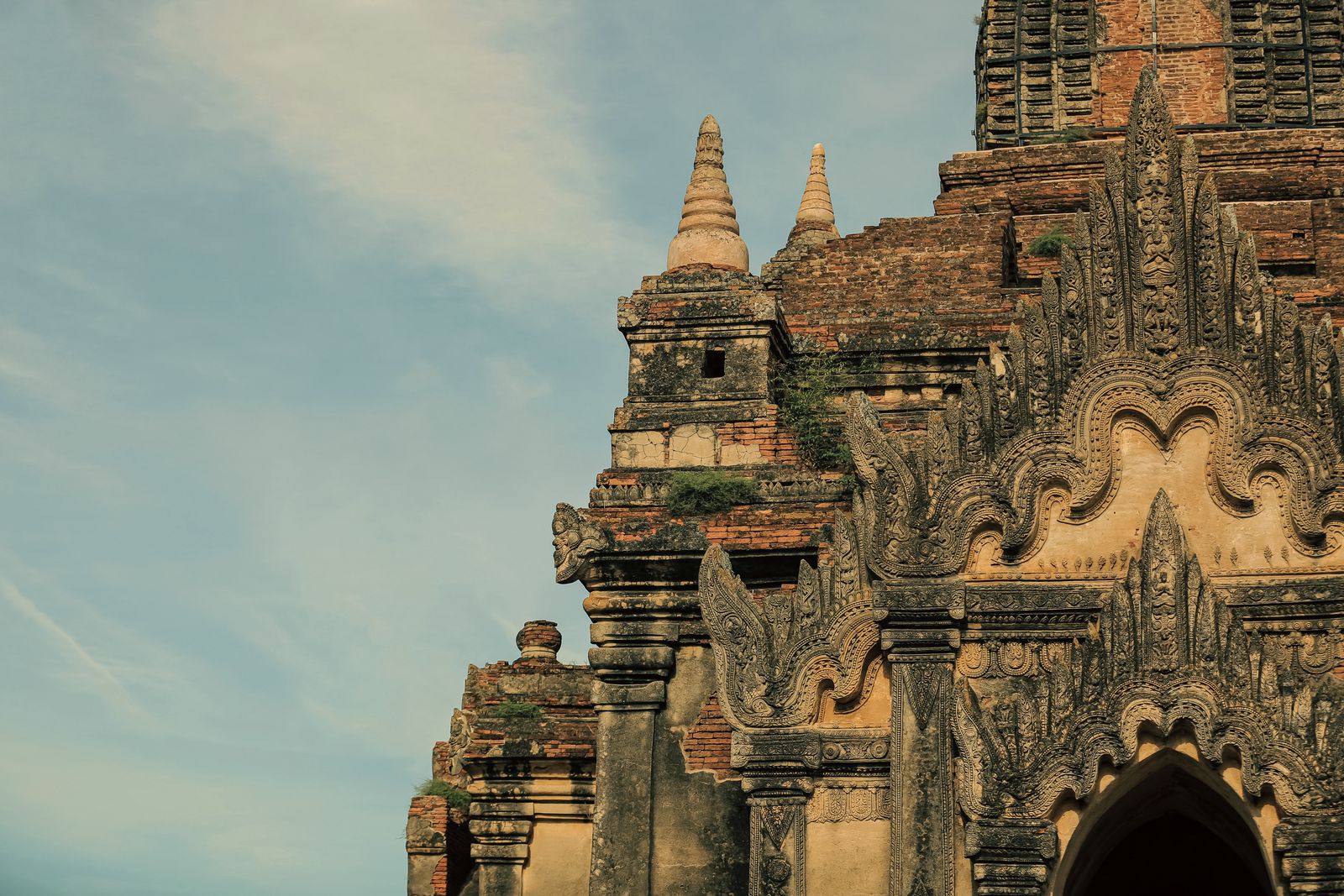
Bagan was the capital of the first Pagan Empire and the centre of Theravada Buddhist scholarship and architecture across the region. At its height, the plain may have held over ten thousand religious structures; today around two thousand remain in varying states of preservation. UNESCO designated Bagan as a World Heritage Site in 2019, recognising its outstanding universal value.
The area is divided into three main zones: Old Bagan (the walled historic core, now largely cleared of residents), New Bagan (a planned town further south where many residents were relocated in the 1990s), and Nyaung-U (the main commercial and transport hub to the north). Most visitors base themselves in Nyaung-U or New Bagan.
Top Temples in Bagan
With thousands of structures to explore, knowing where to start helps. The temples below are among the most significant architecturally and historically — but wandering off the main routes and stumbling upon a crumbling, unrestored stupa with no one else around is equally rewarding.
Ananda Temple
The most celebrated temple in Bagan and one of the finest examples of Mon architecture in Myanmar. Built in the early 12th century, Ananda’s white-washed exterior and gilded spire are instantly recognisable. Inside, four massive gilded standing Buddhas face the cardinal directions. The temple is still an active place of worship.
Dhammayangyi Temple
The largest temple in Bagan by footprint, Dhammayangyi was built in the 12th century under King Narathu. Its massive brick walls and unusually precise brickwork (gaps between bricks said to have been forbidden on pain of death) make it visually imposing. Some interior passageways are bricked up; the reasons remain debated.
Thatbyinnyu Temple
Standing over 60 metres tall, Thatbyinnyu is the tallest temple in Bagan. Built in the 12th century, it introduced the use of two vertical storeys — a departure from the single-storey design that preceded it. The views from upper levels were restricted to climbing after 2016 earthquakes; check local guidance on current access.
Shwesandaw Pagoda
A terraced pagoda with open views in multiple directions, Shwesandaw was historically a favoured sunrise and sunset viewing spot. Due to visitor impact and structural concerns, climbing restrictions have been introduced at several temples including Shwesandaw — confirm locally what is currently permitted before planning your morning around it.
Sulamani Temple
A 12th-century temple known for its delicate stucco carvings and well-preserved frescoes inside. Sulamani is also referred to locally as the “Crowning Jewel.” It rewards a slow, careful look rather than a quick pass-through.
Htilominlo Temple
Built in the 13th century by King Htilominlo, this three-storey temple retains some of the finest original stucco and plasterwork visible in Bagan today. It is less crowded than Ananda and Thatbyinnyu.
Sunrise in Bagan: What to Expect
Sunrise is the defining Bagan experience. The best approach has changed in recent years: climbing to the top of temples for views has been progressively restricted to protect the structures. Instead, rangers and guides direct visitors to designated sunrise viewing areas — these are well-signposted and genuinely beautiful, with unobstructed views across the plain.
Arrive at least 30 minutes before official sunrise and be prepared for cold mornings in the cool season (November to February). The mist that settles in the lower ground between temples lifts as the sun rises, producing the layered, atmospheric quality that defines Bagan’s most famous images.
Check conditions the night before — cloud cover can reduce visibility significantly. A clear night usually signals a clear dawn.
Getting Around Bagan: E-Bikes
The most popular and practical way to explore Bagan is by electric bicycle (e-bike). Rentals are widely available in Nyaung-U and New Bagan for a modest daily fee. E-bikes are silent, eco-friendly, and fast enough to cover the distances between major temples without exhausting yourself in the heat.
Petrol motorbike rentals are also available. Horse-drawn carriages offer a slower, more traditional option if you prefer to have someone else navigate. Taxis can be hired for half or full-day temple tours — useful if you have limited time or are visiting during the hot season.
The plain is largely flat, making cycling feasible even for moderate cyclists. Carry water, wear sun protection, and plan routes to avoid the hottest part of the day (roughly 11:00–14:00 from March to May).
Hot-Air Ballooning Over Bagan
Ballooning over the temple plain at sunrise is one of Myanmar’s most sought-after travel experiences. Several licensed operators run flights during the balloon season, which typically runs from approximately October to March (exact dates vary by year and operator — confirm current schedules directly).
Flights last approximately an hour and typically depart around dawn. Capacity is limited and flights book out far in advance during peak season. If ballooning is on your itinerary, book as early as possible.
Book a Bagan balloon flight or guided temple tour Balloon flights and licensed temple tours in Bagan can be reserved in advance through major activity platforms. Check current availability and compare options: Browse Bagan tours and balloon flights on GetYourGuide
Where to Stay in Bagan
Nyaung-U offers the widest range of budget guesthouses, restaurants, and local markets. New Bagan has a higher concentration of mid-range and boutique hotels and is quieter in the evenings. Old Bagan has a small cluster of upscale hotels positioned for proximity to the main archaeological zone.
For a broader overview of accommodation options across Myanmar, see our where to stay in Myanmar guide. Budget travellers will find Nyaung-U the most practical base; those prioritising atmosphere may prefer the quieter hotels within the heritage zone.
When to Visit Bagan
| Season | Conditions | Notes |
|---|---|---|
| Nov–Feb (Cool dry) | 20–30°C, clear skies | Best overall; balloon season; book ahead |
| Mar–May (Hot dry) | 35–42°C+ | Intense heat; fewer crowds |
| Jun–Oct (Wet) | Humid, rainy | Fewer visitors; green landscape; balloons grounded |
The cool dry season is by far the most comfortable time to visit. For more detail on seasonal conditions across Myanmar, see the Myanmar weather guide. The full best time to visit Myanmar article covers how to weigh climate against crowd levels.
Getting to Bagan
Nyaung-U Airport receives domestic flights from Yangon, Mandalay, and other cities. Journey times vary — allow for delays, which are common on domestic routes. Bus services connect Bagan to Yangon (approximately 8–10 hours) and Mandalay (approximately 4–6 hours); overnight buses are popular with budget travellers. A slow boat up the Ayeyarwady River from Mandalay is a scenic alternative that takes roughly 10 hours.
For route planning and booking domestic transport, consult the Myanmar tours section for organised options, or check transport booking platforms for individual tickets.
FAQ
How many days do you need in Bagan?
Two full days allows you to see the major temples at a reasonable pace and catch at least one good sunrise. Three days is more comfortable and allows time to explore smaller, less-visited temples at the edges of the plain. Dedicated photography visitors often stay four or five days.
Can you still climb temples in Bagan?
Climbing has been progressively restricted since the 2016 earthquake and following UNESCO World Heritage designation. Most major temple climbing is no longer permitted. Designated viewing areas and platforms have been set up as alternatives. Always follow local ranger instructions.
When is balloon season in Bagan?
Hot-air balloon flights over Bagan typically operate from approximately October to March, weather permitting. Flights book out quickly during the peak months of November to February — reserve well in advance.
Is Bagan worth visiting without a balloon flight?
Absolutely. The temples on the ground are magnificent, sunrises from designated viewing areas are spectacular, and e-biking between structures at your own pace is one of the great travel experiences in Southeast Asia. The balloon flight is a wonderful addition, not a requirement.
Is Bagan safe for independent travellers?
Bagan’s archaeological zone is generally safe and well-organised for visitors. As with all travel in Myanmar, check current government travel advisories from your home country (UK FCDO, US State Department, France Diplomatie) before and during your trip, as the situation can change. Guidance was updated regularly from 2021 onwards; always verify current advice.