Bagan Temples: Which Ones to See & When
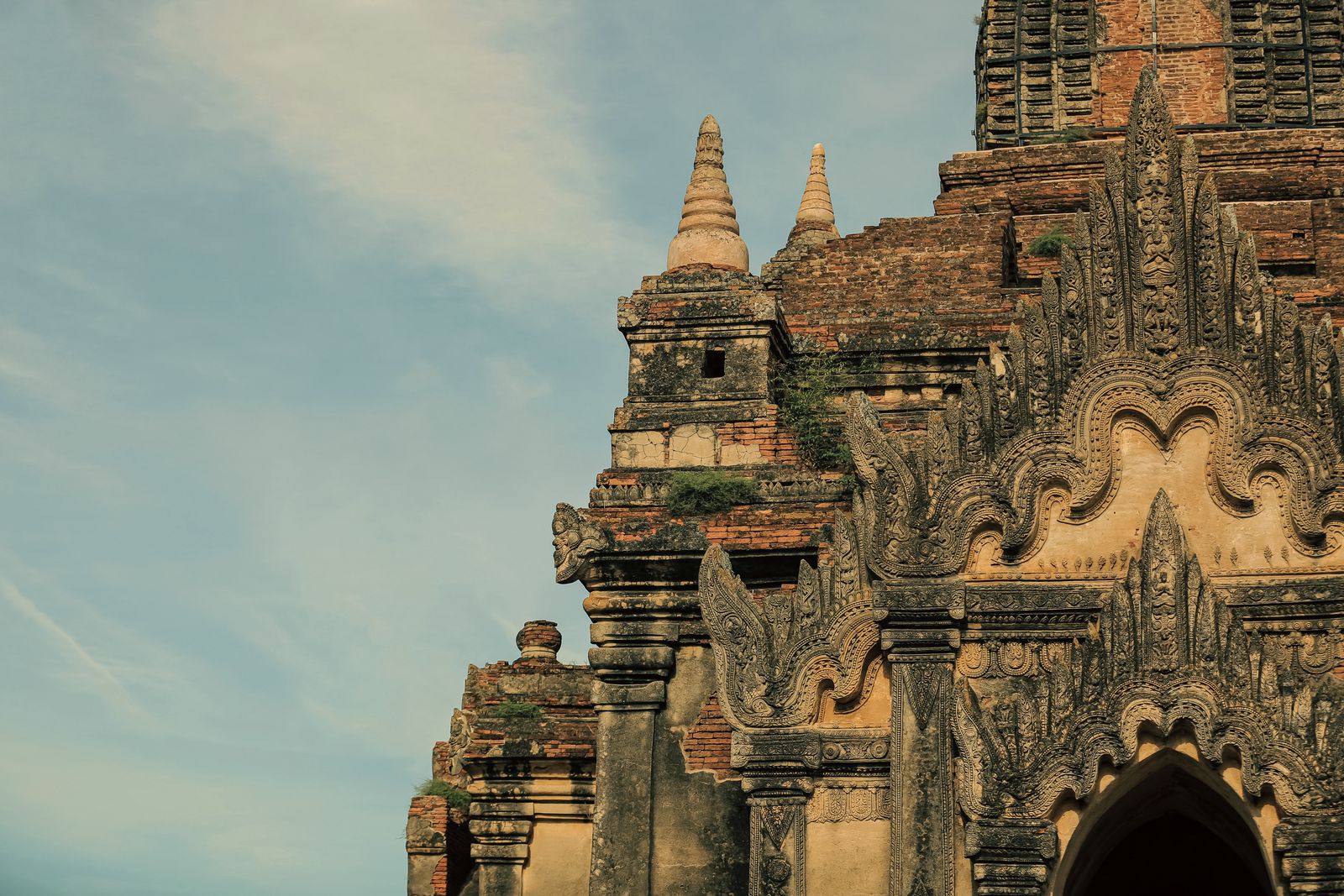
Photo: Lee Sheng Dan (Pexels)
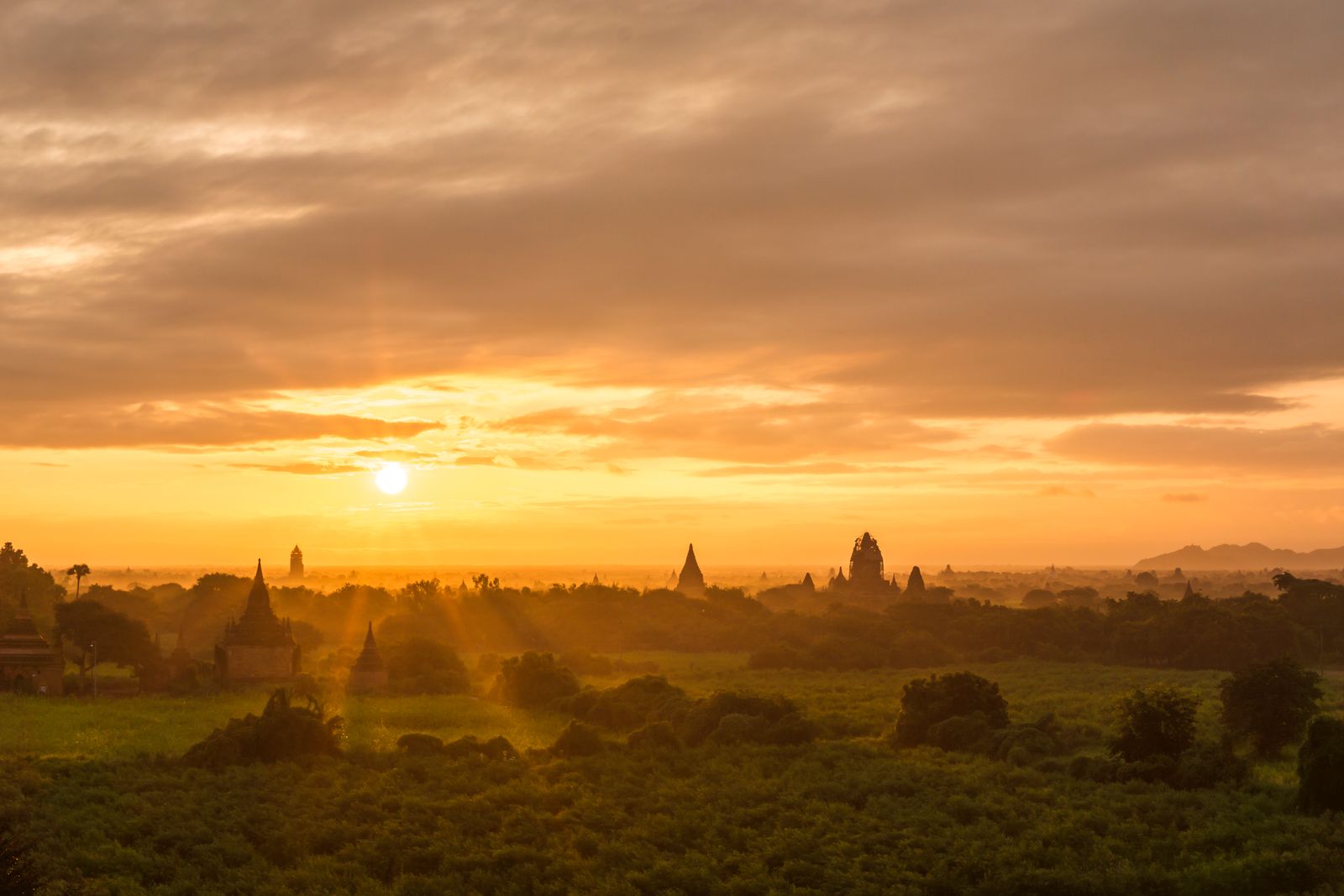
Bagan’s temple-covered plain is one of the great archaeological landscapes in the world. Over 3,000 religious monuments — built between roughly the 9th and 13th centuries during the Pagan Kingdom — spread across a vast semi-arid plain beside the Ayeyarwady River. No single day is enough. The key to a rewarding visit is choosing which bagan temples to prioritize, understanding what makes each one distinctive, and knowing the best times of day to experience them.
Before you go: Travel conditions and access to Bagan can change. Always verify current official advice from your government before booking any trip to Myanmar. For a broader safety overview, see our Myanmar safety guide.
Understanding Bagan: A Brief Orientation
Bagan has three main zones: Old Bagan (the dense historical core by the river), New Bagan (a town built for relocated residents), and Nyaung-U (the main hub for transport, guesthouses, and restaurants). Most temples spread across the broader archaeological zone between these areas.
Entry requires an archaeological zone fee — confirm the current amount and payment method on arrival, as arrangements are set by local authorities and can change.
The most practical way to explore is by electric bike (e-bike), rented from guesthouses and shops in Nyaung-U or New Bagan. The flat terrain and temple spacing make e-bikes ideal; you can cover large distances without physical strain and park easily at each site. Horse carts are a slower traditional alternative.
The Essential Bagan Temples: A Quick Comparison
| Temple | Style | Best Time | Climb Allowed | Notable For |
|---|---|---|---|---|
| Ananda | Mon/Pagan hybrid | Morning | No | Four standing Buddhas, finest detail |
| Dhammayangyi | Brickwork pyramid | Morning or afternoon | No | Largest footprint, mysterious sealed chambers |
| Htilominlo | Late Pagan | Afternoon | No | Stucco detail, relative quiet |
| Shwesandaw | Steep pyramid stupa | Sunset | Yes (limited) | Panoramic views, sunset crowds |
| Sulamani | Late Pagan | Afternoon | No | Fine frescoes, layered terraces |
| Thatbyinnyu | Early Mon-influenced | Morning | No | Tallest Bagan temple, whitewashed |
| Manuha | Mon style | Any | No | Crowded Buddhas, unusual history |
| Gubyaukgyi (Wetkyi-in) | Early | Morning | No | Best-preserved original murals |
Note: climbing policies on temples change periodically. Always check local signage and follow instructions from site staff.
Must-See Temples in Detail
Ananda Temple — The Jewel of Bagan
Ananda is widely considered the finest temple in Bagan, and it is genuinely difficult to argue otherwise. Built around 1105 CE under King Kyanzittha, it follows a Greek-cross floor plan with four entrance porticoes and is topped by a golden spire that gleams above the surrounding plain. Inside, four enormous gilded standing Buddhas — one facing each direction — fill the corner shrines. The craftsmanship of the carved stone panels running along the base exterior is unmatched anywhere in the zone.
Best time to visit: Early morning, before the heat builds and while light enters the porticos at an angle. Ananda also hosts a large annual festival (typically December/January) that draws thousands of pilgrims — extraordinary to witness but very crowded.
Dhammayangyi — The Largest and Most Brooding
The largest temple by footprint in Bagan, Dhammayangyi was built by King Narathu in the 12th century and was left unfinished after his assassination. The interior corridors of the inner sanctuary were deliberately sealed — the reasons remain a matter of historical debate. What you experience is a massive, dark-bricked pyramid of extraordinary scale, with passable outer corridors and an atmosphere distinctly different from the more ornate temples nearby.
Best time to visit: Morning, when light catches the brickwork. Less visited than Ananda, which suits travelers looking for a quieter contemplative experience.
Htilominlo — Late Pagan Refinement
Built in 1211 CE, Htilominlo is a three-story temple with surviving stucco plasterwork in notably good condition for its age, including kirtimukha motifs and floral patterns. It sits slightly off the most-trafficked trail, meaning it tends to be quieter than comparable sites.
Best time to visit: Afternoon light works well on the western face. Pairs well with nearby Thatbyinnyu.
Shwesandaw — For Sunrise and Sunset Views
Shwesandaw is the classic temple for panoramic views — terraces that look across a sea of monuments in every direction. In recent years authorities have restricted climbing access due to overcrowding and preservation concerns.
Best time to visit: Sunrise, which is typically less crowded than sunset and offers the famous mist-over-temples light. Arrive early. Verify climbing access locally before going — policies change frequently.
Sulamani — Frescoes and Terraces
Built in 1183 CE, Sulamani is a multi-story temple with fine internal frescoes and wide walkable terraces. It sits centrally in the archaeological zone, making it a natural mid-circuit stop.
Best time to visit: Afternoon, when the interior is cooler. The frescoes reward a slow, observant visit.
Gubyaukgyi (Wetkyi-in) — Best-Preserved Original Murals
For those interested in medieval Buddhist iconography, this small cave temple near Wetkyi-in village contains some of the best-preserved original 12th-century murals in Bagan — Jataka tale scenes with a clarity rarely found at more-visited sites. Often overlooked on standard itineraries; it repays the detour.
Best time to visit: Morning, when the entrance admits better natural light.
When to Visit Bagan
The question of when to visit bagan temples has two dimensions: time of day and time of year.
Time of day matters enormously. Sunrise is the most photographically spectacular — mist over the plain, golden light, manageable heat. Sunset draws the largest crowds to viewpoints. Midday from March through May is extremely hot; most visitors split their time between early morning and late afternoon sessions, resting during peak heat.
Time of year: Bagan’s balloon season runs approximately October through April, with November through February offering the best flying conditions. This is also the most popular tourist season overall. For a full seasonal breakdown, see our best time to visit Myanmar page.
Temple Etiquette
Bagan’s monuments are active religious sites, not merely archaeological relics. Basic etiquette applies everywhere:
- Remove shoes and socks before entering any temple or stupa (there will typically be a shoe rack at the entrance — sandals are worth wearing for easy removal).
- Dress modestly — cover shoulders and knees. Longyi (traditional Burmese wraparound cloth) can be rented or purchased cheaply and is a practical and respectful option; see our Myanmar longyi guide for more context.
- Do not touch or lean on fragile stonework or murals. Oils from hands accelerate the deterioration of ancient surfaces.
- Keep voices low inside shrines, particularly when worshippers are present.
- Follow signage and staff instructions on climbing restrictions — these exist to protect both monuments and visitors.
Getting a Guide
The Bagan plain covers a large area and context dramatically improves the experience. A local licensed guide can explain Mon versus Pagan architectural differences, the significance of specific Buddha postures, and the historical context behind the kingdom that built all this. Half-day and full-day guided tours are available from operators in Nyaung-U and New Bagan.
Book a Bagan guided tour: Compare guided Bagan temple tours and hot air balloon experiences on GetYourGuide or Viator . Always confirm tour availability and operator status directly before booking, as the range of active operators fluctuates.
For the broader context of visiting the Bagan region — including accommodation options, getting there, and planning your days — see our full Bagan guide.
FAQ
How many temples are there in Bagan?
Over 3,000 religious structures survive across the Bagan Archaeological Zone. Most visitors focus on a curated selection of 10 to 20 significant sites during a two- to three-day stay.
Which Bagan temple is best for sunrise?
Shwesandaw is the traditional choice for panoramic sunrise views, but climbing access is now restricted. Local guesthouses and guides can point you toward current alternative viewpoints with fewer crowds.
Can you still climb the Bagan temples?
Many temples have had climbing access restricted to protect them from foot-traffic damage. Always check local signage and follow site staff instructions — policies change and are in place to protect irreplaceable structures.
How many days do you need in Bagan?
Two full days is the commonly cited minimum. Three days allows for a more relaxed rhythm — sunrise sessions, midday rest, late-afternoon revisits, and time for the less-visited smaller temples.
Do I need a guide for Bagan temples?
You can navigate independently by e-bike with a basic map. However, a local guide adds significant value explaining architectural differences, iconographic details, and historical context. Half-day guided tours are a practical option even for otherwise independent travelers.