Is Myanmar Safe? Honest Travel Advice (2026)
Photo: Amy Chandra (Pexels)
The honest answer: Myanmar safety is not a yes-or-no question. The country has extraordinary cultural depth and warm hospitality, but the security situation has been volatile and rapidly changing since the military takeover in February 2021. Some travelers continue to visit certain areas, while major governments actively advise against all travel to many — or all — parts of the country. Before making any decision, you must consult your government’s official travel advisory and the official Myanmar eVisa portal for the most current entry requirements.
Important notice: This article provides a general orientation for research purposes only. Travel advisories, ground conditions, and entry rules change frequently and without warning. Always verify current advice from your government before booking any travel to Myanmar.
Is Myanmar Safe Right Now?
The security environment in Myanmar has been significantly impacted by ongoing armed conflict since 2021. Fighting between the military (Tatmadaw) and various resistance and ethnic armed groups has spread to multiple states and regions. Infrastructure disruptions, internet blackouts, and checkpoints are common in conflict-affected areas.
Several of the world’s most authoritative travel advisory bodies — including the UK Foreign, Commonwealth & Development Office (FCDO), the US State Department, and France Diplomatie — have issued either “Do Not Travel” advisories or strong “Reconsider Travel” warnings for Myanmar as a whole, with specific regions rated at the highest risk level.
Check these sources directly before forming any judgment:
- UK FCDO: gov.uk/foreign-travel-advice/myanmar
- US State Department: travel.state.gov
- France Diplomatie: diplomatie.gouv.fr
- Australia DFAT (Smartraveller): smartraveller.gov.au
The information on those pages is updated regularly and supersedes anything written here.
Regions: A Broad Overview
Myanmar is geographically diverse, and risk levels vary considerably by location. As a general orientation — not a substitute for current official advice:
| Region / Area | General Context |
|---|---|
| Yangon (Rangoon) | Historically more stable than rural areas; sporadic security incidents reported |
| Mandalay | Urban center; situation has fluctuated |
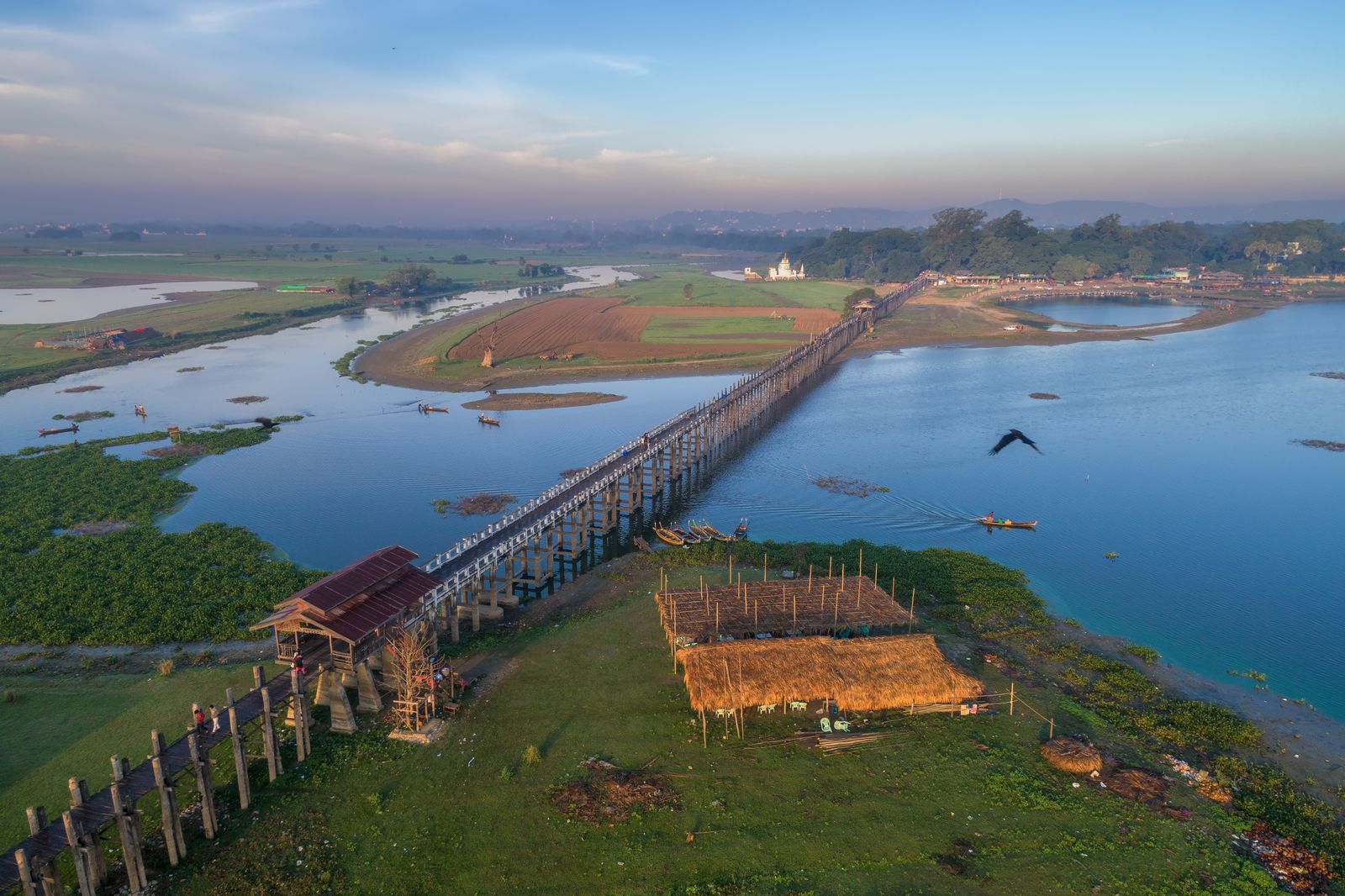
| Bagan / Nyaung-U | Tourist zone; lower conflict intensity historically, but not immune |
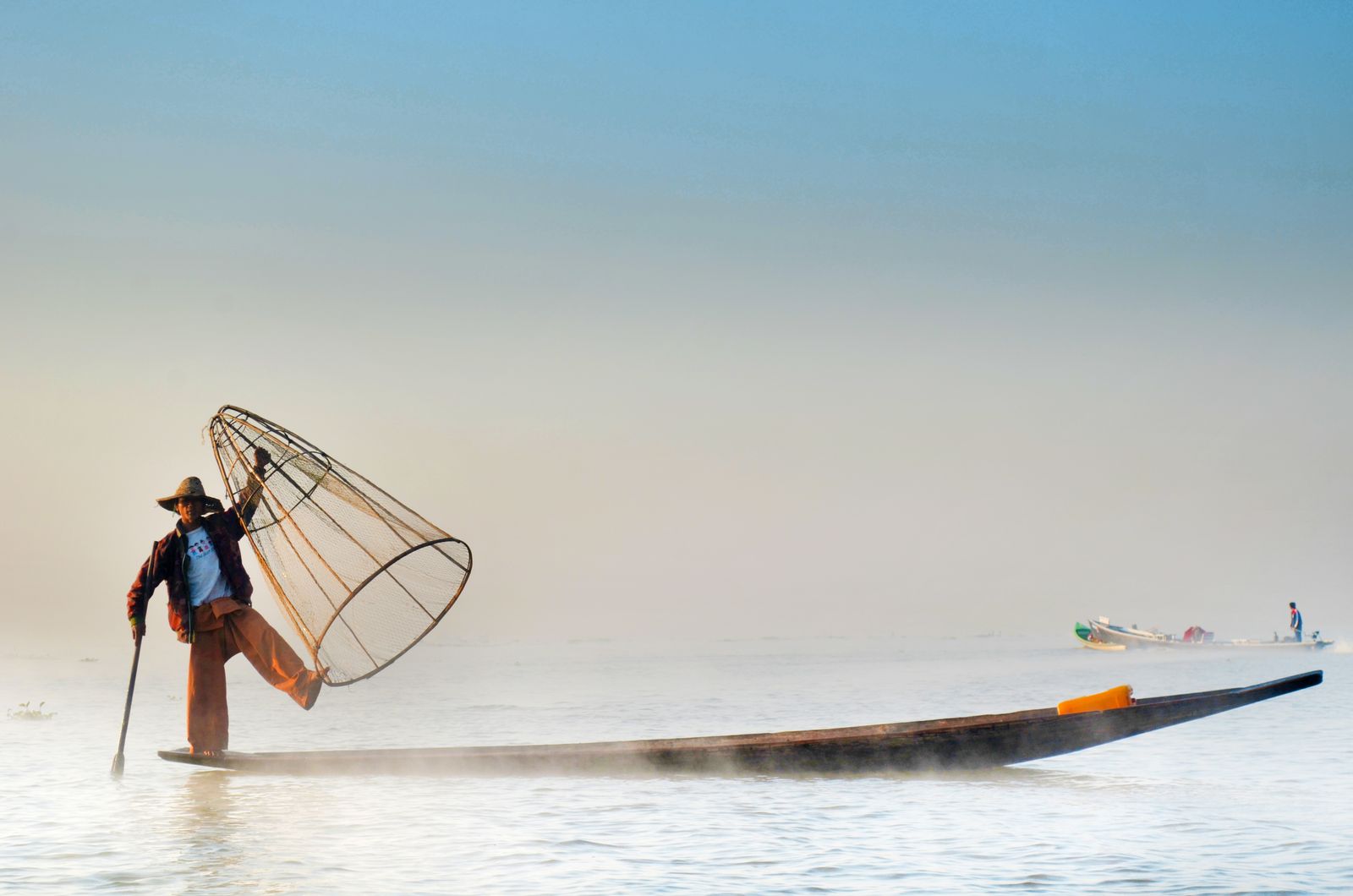
| Inle Lake area (Shan State) | Parts of Shan State have seen active conflict |
| Chin State, Sagaing Region | High-intensity conflict zones; most advisories warn strongly against travel |
| Rakhine State | Ongoing armed conflict; humanitarian crisis; most governments advise against all travel |
| Kayah (Karenni) State | Active conflict; most governments advise against all travel |
| Border regions generally | Scam compounds, trafficking risks, and military checkpoints are documented concerns |
These categories shift. A zone that was relatively calm six months ago may not be today.
Common Risks and Precautions
Political and Civil Unrest
Protests, crackdowns, and random security operations can occur. Foreigners have been detained. Keep a low profile, avoid political discussions in public, and stay away from demonstrations or military installations.
Landmines and Unexploded Ordnance
Rural areas in conflict-affected regions carry mine and unexploded ordnance risks. Stick to established roads and paths, especially in border areas.
Scams Targeting Travelers
As with many Southeast Asian destinations, common scams include gem and jade scams (being steered to overpriced shops with promises of resale profit), fake tour operators, and inflated transport prices. Myanmar’s jade and gemstone trade is complex — read more context in our guide to Myanmar gems and jade trade.
Be skeptical of unsolicited approaches, “too good to be true” investment opportunities, and anyone pushing you toward border areas near Thailand, Laos, or China. Scam compounds operating in Myanmar’s border zones have been well-documented in international media.
Health Considerations
- Malaria: Risk exists in rural and forested areas, particularly in border regions. Consult a travel medicine specialist before your trip.
- Dengue fever: Present year-round; mosquito protection is advisable.
- Water: Drink bottled or properly treated water.
- Medical facilities: Outside Yangon and Mandalay, medical facilities are limited. Medical evacuation insurance is strongly recommended.
- Vaccinations: Check with a travel health clinic; typical recommendations include hepatitis A/B, typhoid, and ensuring routine vaccinations are current.
Consider reading our Myanmar eSIM and SIM card guide — staying connected helps you access real-time news and contact your embassy in an emergency.
Internet and Communications
The government has restricted or cut internet service periodically. Download offline maps, save embassy contact details locally, and inform someone at home of your itinerary.
Travel Insurance
Do not travel to any high-risk destination without comprehensive travel insurance that explicitly covers:
- Medical evacuation
- Emergency repatriation
- Trip cancellation due to civil unrest
Read your policy carefully. Some insurers exclude countries under “Do Not Travel” advisories — meaning a claim may be denied if you travel against your government’s advice.
What Responsible Travelers Do
- Register with your embassy before or upon arrival (many governments offer a free registration service).
- Share your itinerary with a trusted contact at home.
- Follow local news and your embassy’s social media or alert service.
- Have contingency plans — know the nearest exit point and your evacuation options.
- Avoid displaying wealth — keep cameras, jewelry, and expensive gear discreet.
If you decide to travel, understanding the best time to visit Myanmar for practical planning — including weather patterns that affect road accessibility — is also useful context.
For Journalists and Humanitarian Workers
Conditions for journalists and NGO workers carry specific risks including detention and equipment confiscation. Specialized security briefings from organizations like the Committee to Protect Journalists (CPJ) or the UN Office for the Coordination of Humanitarian Affairs (OCHA) are advisable beyond standard government travel guidance.
FAQ
Is Myanmar safe for tourists in 2026?
The situation remains complex and volatile. Several governments have issued “Do Not Travel” advisories or their equivalent. Conditions vary significantly by region and can change rapidly. The only reliable answer is to consult your government’s current travel advisory — not general travel websites.
Which parts of Myanmar are most dangerous?
As of mid-2026, Rakhine State, Chin State, Sagaing Region, Kayah State, and border zones are consistently rated at the highest risk levels by most government advisories. Even areas that appear more stable can experience sudden security incidents.
Are there any safe areas in Myanmar to visit?
Some travelers visit Yangon, Bagan, and Inle Lake, where tourist infrastructure remains partially operational. However, “safer” is relative — even these areas are not immune to security incidents, and most government advisories still recommend heightened caution or advise against travel to Myanmar as a whole. Verify current conditions before making any decision.
What should I do if I am already in Myanmar and the situation deteriorates?
Contact your embassy or consulate immediately. Register with your country’s official traveler registration program if you have not already done so. Follow your embassy’s emergency communications and instructions from local authorities only when safe to do so.
Is it safe to travel to Myanmar as a solo female traveler?
Myanmar historically had a relatively respectful culture toward foreign visitors, but the current instability adds layers of risk regardless of gender. The same security considerations apply. Solo travelers of any gender should exercise extra caution, maintain clear communication with contacts at home, and have a solid emergency plan.
Last editorial review: July 2026. Conditions on the ground change frequently. This article is for general orientation only — always consult France Diplomatie, the UK FCDO, the US State Department, or your own government’s equivalent advisory before booking travel to Myanmar.