Money in Myanmar: Currency, Cash & ATMs
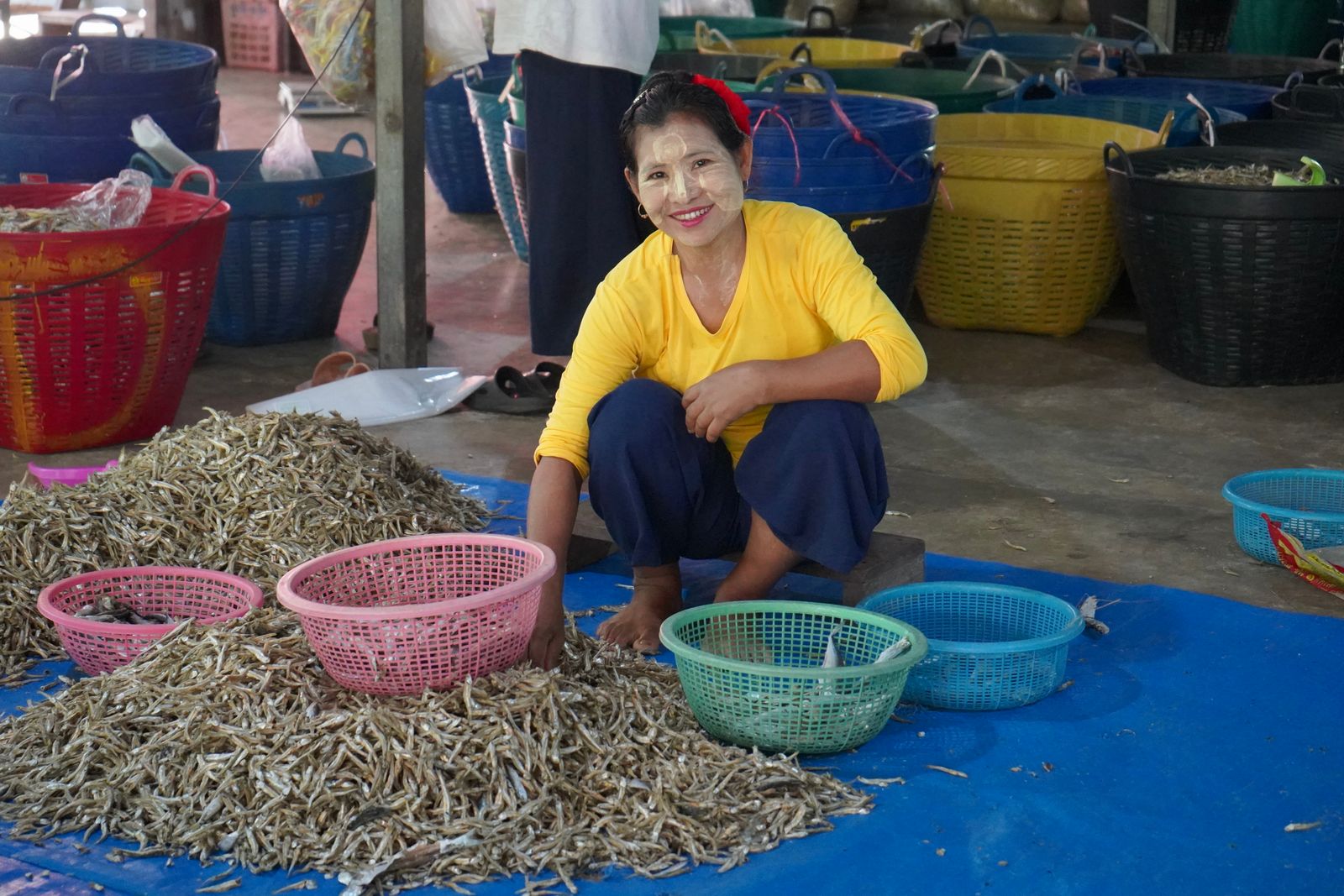
Photo: Zhanna Alimkulova (Pexels)
Myanmar runs overwhelmingly on cash. The national currency is the Myanmar kyat (MMK), and while US dollars are widely accepted alongside it — especially for hotels and larger purchases — you will need local currency for markets, street food, transport, and most everyday transactions. Understanding how money works before you arrive makes a meaningful difference to your experience on the ground.
Important notice: Exchange rates, ATM availability, and card acceptance in Myanmar are subject to significant and unpredictable change due to the ongoing political and economic situation. Fees, limits, and which services operate can shift without warning. Verify current conditions with your bank and check up-to-date traveler reports before departure. This guide is for general orientation only.
The Myanmar Kyat: Understanding the Currency
The Myanmar kyat (pronounced roughly “chat”) is the official currency of Myanmar. Notes are issued in a range of denominations — small denominations for everyday purchases, larger notes for bigger transactions. The kyat has experienced substantial volatility in recent years, so any exchange rate you read today may differ considerably from what you encounter on arrival.
When exchanging money, you will generally get a better rate at licensed exchange counters — commonly found at international airports and in city centers — than at hotels. Unlicensed street exchange is not recommended and carries legal and practical risks.
Key points about the kyat:
- Prices for guesthouses, budget restaurants, and local transport are typically quoted in kyat
- Larger transactions — some hotels, long-haul buses, tours — may be quoted in US dollars
- Exchange rates fluctuate; always check the rate you are offered before exchanging
- Keep a supply of smaller denomination notes for markets and street vendors, who rarely have change for large bills
Bringing Cash: The Case for Clean US Dollars
US dollars are widely accepted as a secondary currency and are the most practical foreign currency to bring. A smaller number of businesses also accept euros, though less consistently.
The condition of your USD banknotes matters enormously. Myanmar banks and exchange counters apply strict standards:
- Notes must be free of tears, folds, writing, or stamps
- Older series notes (pre-2006) are frequently refused
- Crumpled or slightly marked notes may be declined even if technically valid
- Larger denominations (USD 50 and USD 100 bills) typically attract better exchange rates than smaller bills
Withdraw clean, new-series large denomination USD from your home bank before travel rather than from an ATM. A combination of larger and medium denomination notes gives you flexibility.
ATMs in Myanmar: What to Expect
ATMs exist in Yangon, Mandalay, Bagan, and other cities and tourist centers, but the network is far less reliable and widespread than in neighboring Thailand or Vietnam. Before treating ATMs as your primary source of cash, understand the limitations:
| Factor | Reality in Myanmar |
|---|---|
| Availability | Present in major cities and tourist towns; sparse in rural areas |
| Reliability | Machines run out of cash, go offline, or experience network errors regularly |
| Withdrawal limits | Individual transaction limits are often lower than in Western countries; fees apply |
| Card acceptance | Visa and Mastercard are most widely accepted; American Express and others less so |
| Foreign card fees | Both the local bank and your home bank may charge fees per transaction |
Do not rely on ATMs as your only source of funds. Carry a meaningful amount of cash (in kyat and USD) as a backup, especially if you plan to visit smaller towns or rural regions. Tell your home bank about your travel dates so your card is not blocked for suspected fraud.
Paying by Card in Myanmar
Card payment infrastructure remains limited compared to most other Southeast Asian destinations. The places where cards are most reliably accepted tend to be:
- International and upscale hotels
- High-end restaurants catering to foreign visitors
- Some larger tour operators
Budget guesthouses, local restaurants, markets, tuk-tuks, buses, and smaller shops will almost always require cash. Do not assume card payment is possible for day-to-day spending — it typically is not.
Mobile payment apps have grown in Myanmar, but these systems are primarily used by locals with local bank accounts and are not readily accessible to most international visitors.
Practical Money Management Tips
Before departure:
- Withdraw clean, large-denomination USD from your home bank
- Notify your bank of travel dates and destination
- Consider a travel card or account with low foreign transaction fees as a backup
- Check if your home bank has a Myanmar partner for fee-free ATM access (rare, but worth checking)
On arrival:
- Exchange a moderate amount at the airport exchange counter to cover immediate needs (taxis, SIM card, first meal)
- Compare airport rates with city center exchange counters before exchanging large sums
- Keep your exchange receipts — some establishments may ask to see them
Day to day:
- Carry more cash than you think you need, especially before travel to rural areas
- Break large notes at hotels or larger shops to build up smaller denominations
- Store cash in at least two separate locations when traveling
For planning your arrival logistics, including where to get a SIM card or eSIM at the airport, see our Myanmar eSIM and SIM card guide.
Tipping Culture in Myanmar
Tipping is not a rigid part of traditional Myanmar culture but is appreciated, particularly in tourist-facing roles. General guidance:
- Guides and drivers: Tipping is customary and expected for good service. An approximate daily tip for a private guide is a personal judgment call based on quality of service — there is no universally fixed amount.
- Restaurants: A small tip left on the table at tourist-oriented restaurants is welcomed but rarely expected at local teahouses.
- Hotels: Housekeeping tips are appreciated, especially at guesthouses where staff are working hard for modest wages.
- Street food vendors and market stalls: Tipping is not expected.
If you are traveling as part of a tour, ask your operator at the start whether gratuities are included or expected — see our Myanmar tours guide for more context on organized travel in the country.
Currency and the Broader Context
Myanmar’s economic situation has been significantly affected by political events since 2021. The value of the kyat, access to banking services, and the operation of international payment systems have all been impacted. Before you travel, check recent news and current government travel advisories — money matters in Myanmar cannot be entirely separated from the broader security and political context. Our Myanmar safety guide covers the current situation in more detail.
Planning your budget? For an organized trip, booking transport in advance through a reliable regional platform can help avoid cash uncertainty on arrival. Compare transport options and book via 12Go Asia — buses, trains, and transfers bookable online before you arrive.
FAQ
What currency is used in Myanmar?
The official currency is the Myanmar kyat (MMK). US dollars are widely accepted alongside the kyat, especially for larger purchases and accommodation. Always carry kyat for local markets, transport, and everyday spending.
Can I use US dollars in Myanmar?
Yes — US dollars are commonly accepted, particularly at hotels, larger restaurants, and for some tours. However, the banknotes must be in excellent condition: no folds, tears, writing, or stamps, and ideally recent print series. Damaged or marked notes are routinely refused.
Are ATMs easy to find in Myanmar?
ATMs are present in major cities and tourist centers but are not as reliable or widespread as in neighboring countries. Machines can run out of cash or go offline without warning. Carry sufficient cash, especially before traveling to rural or less-visited areas.
Should I exchange money before arriving in Myanmar?
It is generally better to bring clean, new-series USD cash and exchange it at licensed counters in Myanmar for competitive rates, rather than converting at home. Exchange a small amount at the airport on arrival to cover immediate needs, then exchange more at city center counters for potentially better rates.
Is it safe to exchange money on the street in Myanmar?
Unlicensed street exchange is not recommended. Stick to licensed exchange counters at airports, banks, or reputable exchange offices. Always count your money carefully before leaving the counter.
Do restaurants and shops in Myanmar accept credit cards?
Card acceptance is limited to higher-end hotels, upscale restaurants, and some tour operators. The vast majority of everyday spending — street food, local transport, markets, guesthouses — requires cash. Do not plan on using cards for day-to-day expenses.
Last editorial review: July 2026. Exchange rates, ATM availability, and financial services in Myanmar change frequently. Verify current conditions before travel. This article is for general orientation only and does not constitute financial advice.