The Longyi: Myanmar's Traditional Dress
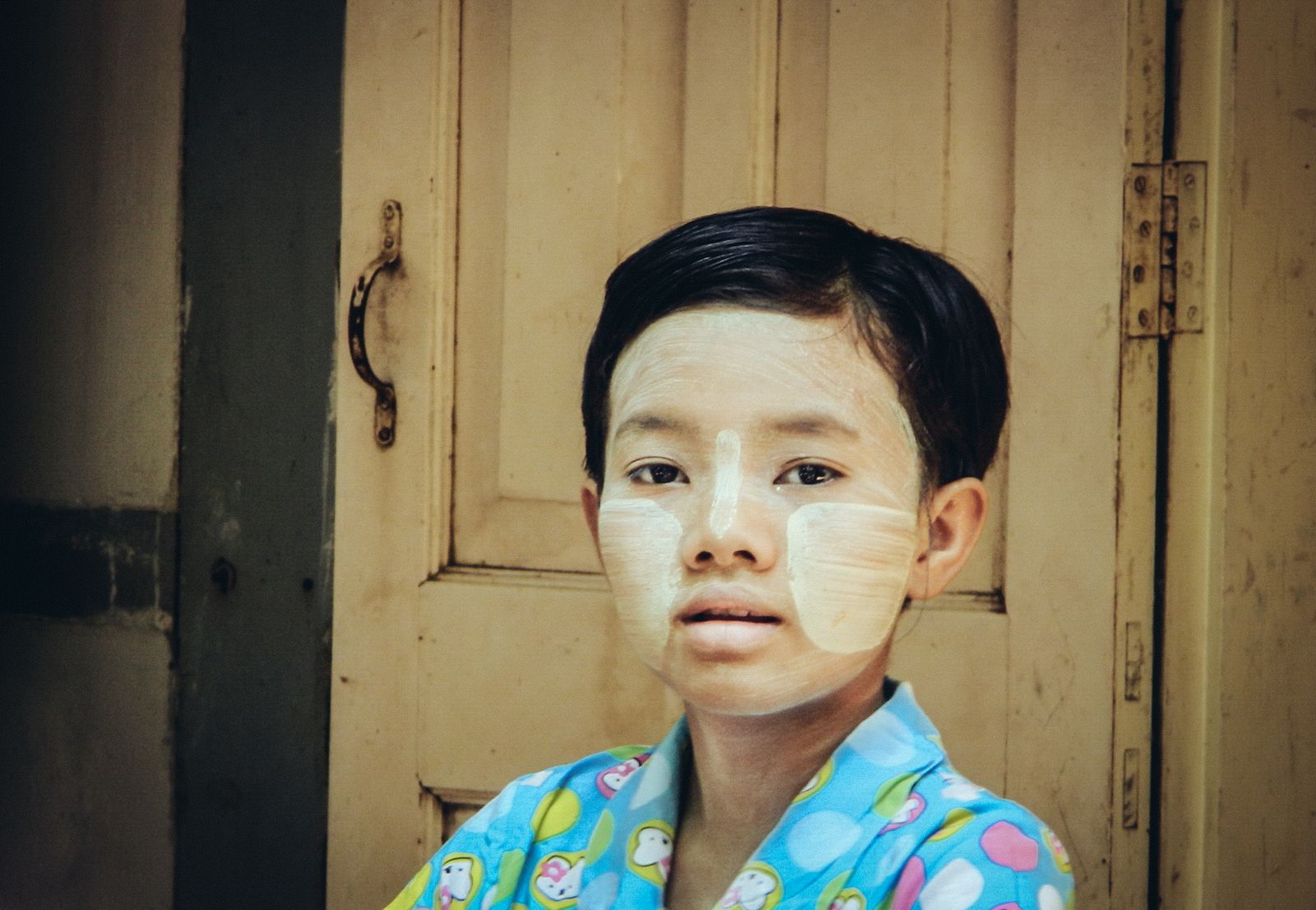
Photo: Rostyslav Savchyn (Pexels)
The myanmar longyi is a length of cloth worn wrapped around the lower body, similar in principle to the sarong found across Southeast Asia but distinct in its fabrics, patterns, and the way it is tied. It is the most visible symbol of everyday Burmese dress — worn by men, women, and children alike, in offices, markets, temples, and villages. Understanding the longyi gives visitors a useful window into Myanmar traditional clothing and a practical advantage when visiting religious sites.
What Is a Longyi?
A longyi (also spelled longgyi) is a single piece of cloth, typically around two meters long, sewn into a cylindrical tube. It is worn from the waist down to the ankle, held in place by a knot or tuck at the front — no buttons, zippers, or belts involved. The fabric moves freely, which makes it practical in Myanmar’s tropical heat. It is breathable, adaptable, and inexpensive to produce, which explains why it has remained everyday wear long after Western trousers became ubiquitous in neighboring countries.
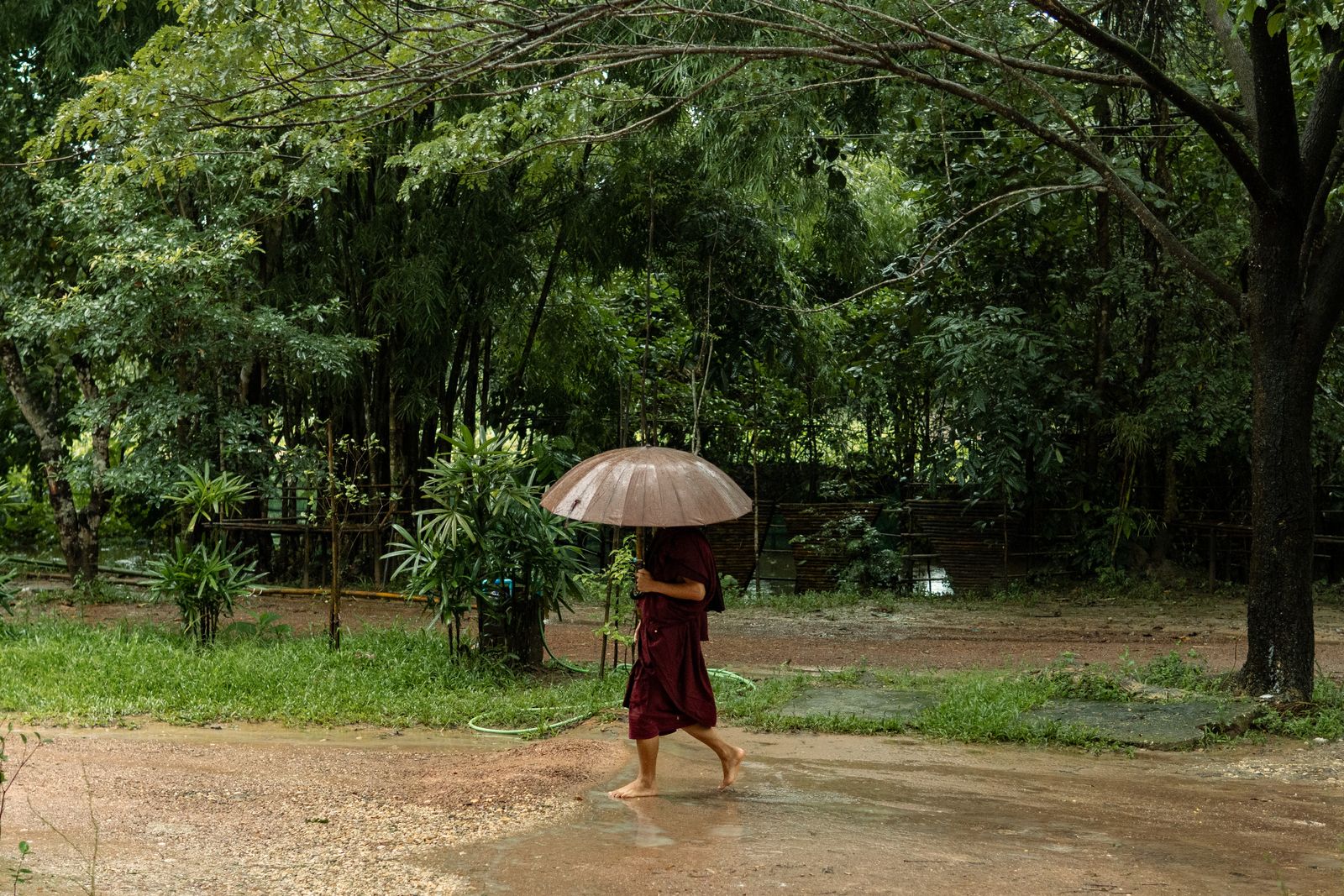
The longyi is not a historical costume or a ceremonial garment worn only on special occasions. In Myanmar it is genuinely everyday clothing — you will see it on office workers, monks, market vendors, schoolchildren, and government officials. That said, it carries cultural weight, and wearing one as a visitor is a sign of respect, not appropriation.
Men’s Longyi: The Paso
The men’s version is called the paso. It is typically made from cotton or a cotton-silk blend in plaid, checked, or striped patterns — predominantly in earthy tones, blues, greens, and dark colors, though brighter plaids are common in Shan State. The paso is tied by gathering the fabric at the center front, folding one side over the other, and tucking or knotting the excess at the waist to form a flat, vertical band down the center.
A well-tied paso sits flat and does not shift when walking. Men who have worn it since childhood tie it with a single practiced motion in seconds. Visitors will likely take longer. The key is to ensure the waistband sits at the natural waist rather than the hips — too low and it will fall.
Paso with a shirt: For informal occasions, a collarless Chinese-style shirt or a button-down short-sleeve shirt is standard. For more formal occasions such as weddings or government meetings, men wear a gaung baung (a silk headdress) and a fitted jacket with the paso. In hot daily life, a simple short-sleeve shirt suffices.
Women’s Longyi: The Htamein
The women’s version is called the htamein. It differs from the paso in two significant ways: the fabric tends to be more elaborate (silk, velvet borders, and patterned weaves are common), and the tying method is different. Instead of a front knot, the htamein is tucked at the side — typically the left — and the top edge is folded down to create a wide waistband. Some htamein have a separate decorative waistband panel.
Traditional htamein feature three visual sections: a plain or lightly patterned body, a horizontal band of pattern across the lower portion, and a contrasting border at the hem. The patterns differ significantly by ethnic group and region. Shan htamein tend toward bold weaves and earthy tones; Mandalay silk htamein are more finely patterned and glossy; everyday cotton versions worn for work are simpler and less expensive.
Women often pair the htamein with a fitted eingyi (blouse), traditionally white or pastel for formal occasions.
How to Tie a Longyi: The Basics
For a paso (men’s):
- Hold the tube of fabric at waist height and step into the center.
- Gather all the fabric at the front center.
- Take the right side of the gathered fabric and fold it left (toward your left hip), then take the left side and fold it right, overlapping.
- Tuck the overlap securely into the waistband fold at the front.
- Smooth the resulting vertical panel flat. It should lie against your stomach without bulging.
For an htamein (women’s):
- Step into the tube and hold it at waist height.
- Gather the excess fabric to your left side.
- Fold the gathered fabric flat against your left hip and tuck it in firmly.
- Fold the top edge down by about 10 cm to create the waistband.
Neither method involves any fastening — the garment stays up through friction and the tightness of the tuck. If yours keeps slipping, the tuck is not tight enough or the fabric is too slippery (silk htamein are harder to keep in place than cotton).
Longyi Etiquette for Visitors
At temples and pagodas: The longyi is the ideal garment for visiting religious sites. Myanmar’s Buddhist temples require covered legs and bare feet, and a longyi satisfies the first requirement instantly. Some pagoda entrances have longyi available for rent at very low cost — these are usually simple cotton wraps for visitors who arrive in shorts or trousers.
In daily life: Wearing a longyi in public is appreciated but not expected of tourists. What is expected is that visitors cover their legs and shoulders when entering religious buildings. A longyi is one comfortable way to do this; loose trousers or a long skirt work equally well.
Don’t step over a longyi: In Burmese tradition, the lower body is considered spiritually lower than the upper body. Stepping over someone’s longyi — or any clothing — is considered disrespectful. This logic also explains why women’s htamein are washed separately from men’s shirts and why clothing is hung with the upper garments above the lower ones.
The Thanaka Connection
No description of myanmar traditional clothing is complete without mentioning thanaka — the pale yellowish paste made from ground thanaka wood bark that Burmese people (predominantly women and children) apply to their faces. It is worn daily as a cosmetic, sunscreen, and skincare treatment. The combination of a htamein, an eingyi, and thanaka on the cheeks is one of the most immediately recognizable visual signatures of Myanmar culture.
Thanaka and the longyi are both markers of cultural continuity — they have persisted through colonial periods and waves of global fashion without disappearing. Visitors who want to understand the aesthetic philosophy behind Myanmar traditional clothing will find that both thanaka and the longyi reflect the same values: practicality, local craft, and community identity.
Where to Buy a Longyi in Myanmar
Longyi fabric and ready-to-wear longyi are available at markets throughout the country.
- Bogyoke Aung San Market, Yangon: The largest covered market in Yangon has dozens of stalls selling longyi fabric by the meter as well as finished garments. This is the best place for variety, including silk options from Mandalay and Shan weaves.
- Zegyo Market, Mandalay: Mandalay is the center of Myanmar’s silk-weaving industry. Zegyo Market has extensive longyi fabric stalls, and the surrounding neighborhoods contain working silk-weaving workshops you can visit.
- Inle Lake, Shan State: The silk-weaving villages on Inle Lake produce lotus-fiber and silk textiles unique to the region. Longyi fabric woven here makes an unusual gift or souvenir.
- Local markets anywhere: Even small town markets will have a fabric stall selling cotton longyi. Prices at local markets are lower than at tourist-oriented shops.
What to pay: Prices vary significantly by fabric and finish. Basic cotton longyi are inexpensive everyday items; silk or silk-blend htamein with elaborate patterns cost considerably more. Negotiate politely at market stalls; fixed-price shops in tourist areas are common and will display their prices.
Curious about what else to bring on a trip? Our things to do in myanmar guide covers market visits and textile shopping alongside the country’s major sights. And if you are trying local dishes at the same markets where you buy your longyi, our myanmar food guide has everything you need to navigate street stalls and teahouses.
Planning your Myanmar trip? Check hotel availability in Yangon and Mandalay on Booking.com
FAQ
What is a longyi in Myanmar?
A longyi is a traditional wraparound garment worn from the waist to the ankle, similar to a sarong, made from a tube of cloth. It is everyday clothing in Myanmar for both men and women, worn across all social settings from street markets to offices and temples.
What is the difference between a paso and an htamein?
The paso is the men’s burmese longyi, typically in plaid or checked fabric, tied at the center front. The htamein is the women’s version, often in more ornate fabrics with pattern borders, tucked at the side. Both are fundamentally the same garment with different tying methods and fabric traditions.
How do you tie a longyi without it falling down?
The key is a firm tuck at the waist rather than relying on the knot alone. For a paso, overlap the two gathered sides firmly and tuck the excess deep into the waistband fold at the front. For an htamein, gather all excess fabric to one side and tuck it flat and tight. Cotton fabric grips better than silk.
Can tourists wear a longyi?
Yes, and doing so is generally appreciated, especially when visiting temples. It is not considered cultural appropriation — it is a practical and respectful choice. Longyi can be rented at many pagoda entrances for visitors who arrive without one.
Where is the best place to buy a longyi?
Bogyoke Aung San Market in Yangon and Zegyo Market in Mandalay are the two best-known spots for longyi fabric and finished garments. Inle Lake has exceptional silk and lotus-fiber textiles specific to Shan State. Any local market will have basic cotton options at everyday prices.