20 Best Things to Do in Myanmar (2026 Guide)
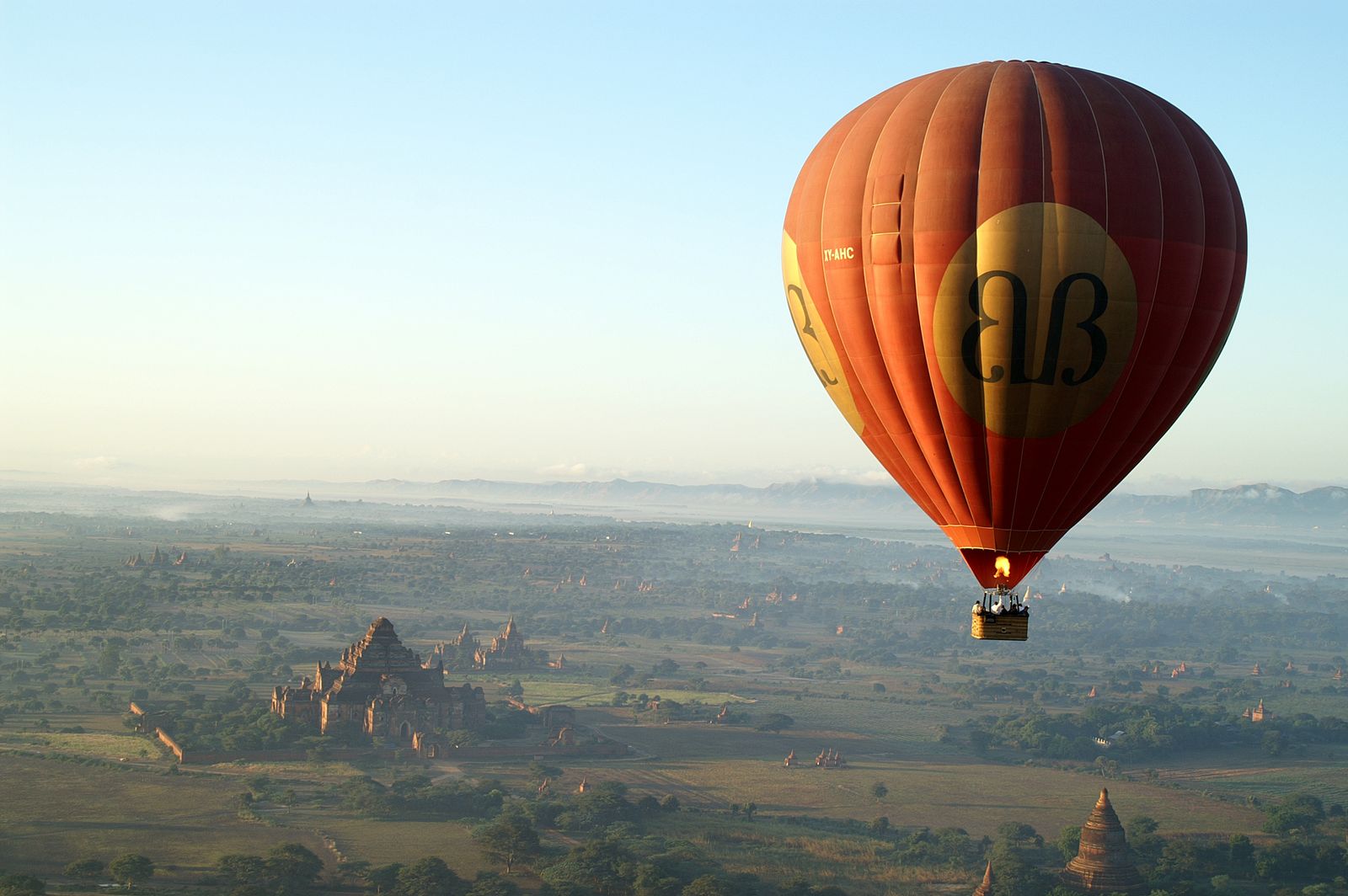
Photo: Matan Levanon (Pexels)
Myanmar offers one of Southeast Asia’s most remarkable travel experiences: ancient temple plains, still-water lakes, gilded pagodas, and hill-tribe trekking routes that have barely changed in decades. Whether you have a week or a month, the country rewards slow exploration. Here are 20 of the best things to do in Myanmar, grouped by region, to help you plan a meaningful trip.
Travel advisory: Before visiting Myanmar, check the current guidance from your government — France Diplomatie, UK FCDO, US State Department, or your national foreign-affairs ministry. Conditions can change; verify visa, safety, and entry requirements close to your departure date.
Lower Myanmar (Yangon Region)
1. Circumnavigate Shwedagon Pagoda at Dusk
Shwedagon Pagoda in Yangon is Myanmar’s most sacred Buddhist site and one of the most awe-inspiring structures in Southeast Asia. The 98-metre gilded stupa draws pilgrims around the clock; arriving at dusk lets you watch the gold catch the fading light before the complex fills with the glow of oil lamps. Remove shoes at the base, walk the terrace clockwise, and allow at least two hours.
2. Ride the Yangon Circular Train
The old Yangon Circular Railway loops around the city for a few thousand kyat. It is slow, but that is the point: passengers board with market goods, monks, schoolchildren, and vendors selling snacks through the windows. The roughly three-hour loop is one of the most genuine urban travel experiences left in the region.
3. Explore Bogyoke Aung San Market
Bogyoke (Scott) Market in central Yangon is the place to browse lacquerware, gems, longyi fabric, and local handicrafts. Prices are negotiable; quality varies widely. See our guide on Myanmar gems and jade before purchasing precious stones.
4. Day-Trip to Bago
An hour from Yangon, Bago holds the massive reclining Shwethalyaung Buddha, four towering Buddha statues at Kyaik Pun Pagoda, and the atmospheric ruins of the old Mon capital. It makes an easy and rewarding day trip without overnight costs.
Bagan — The Temple Plains
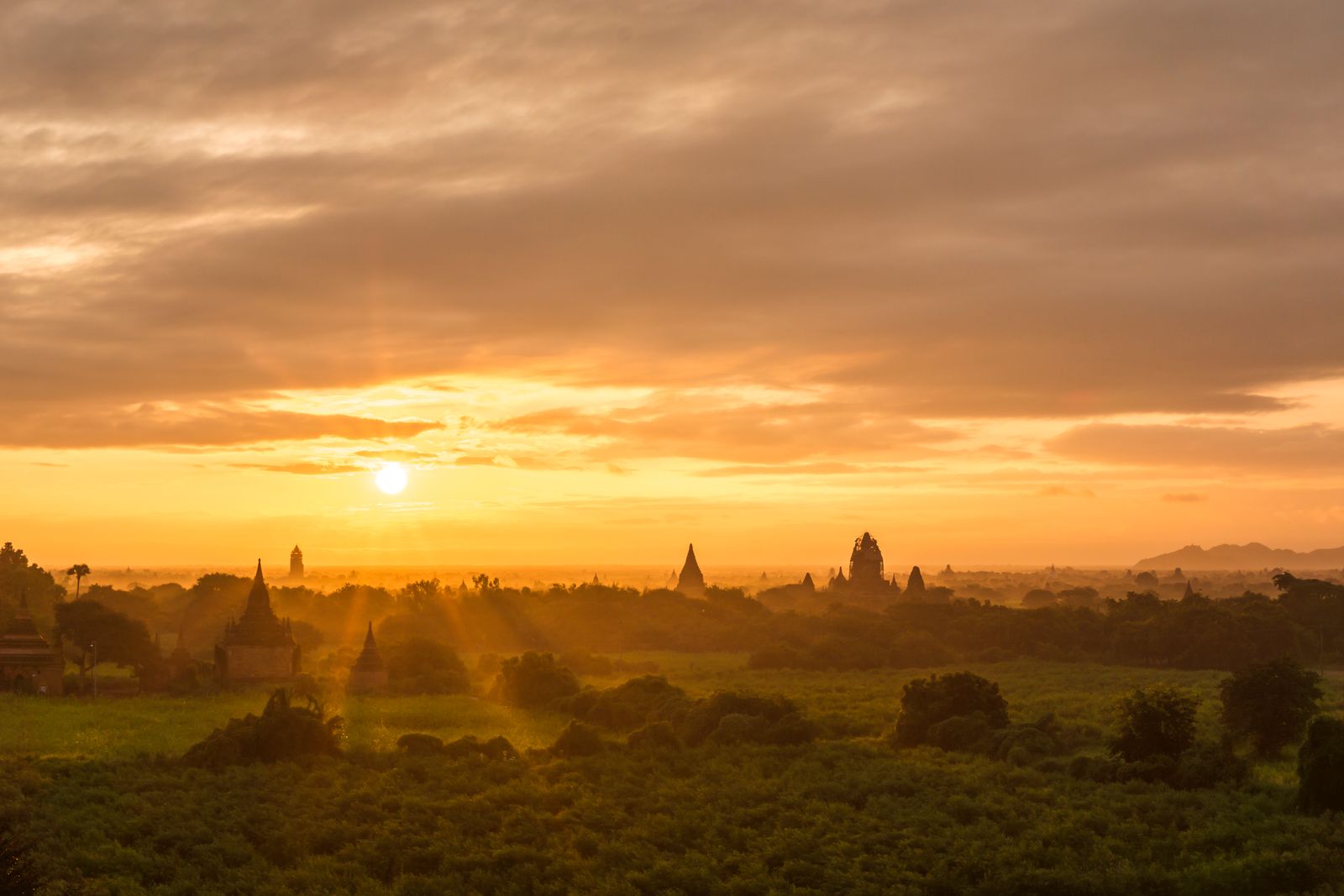
5. Watch Sunrise Over Bagan’s Temples
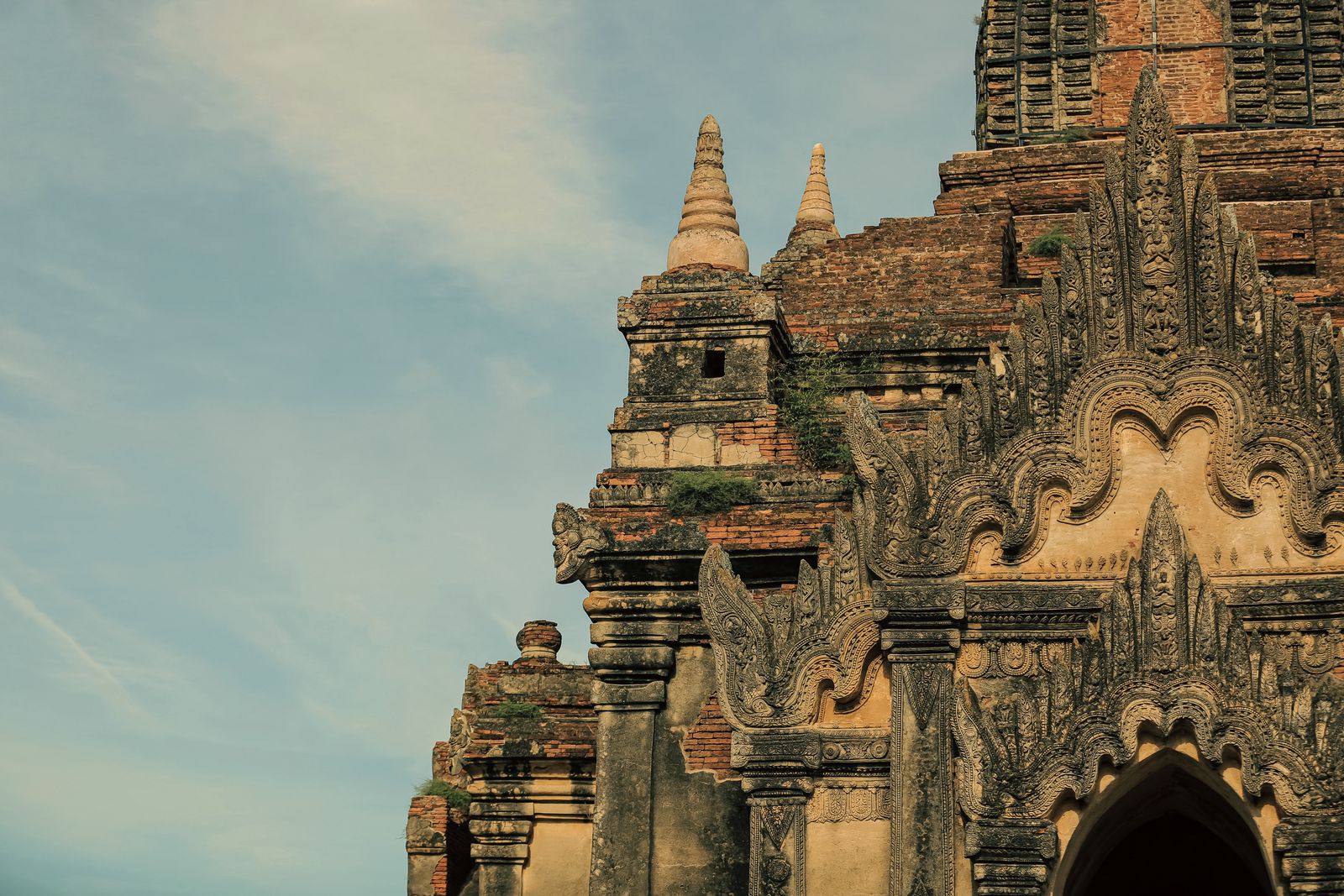
Bagan is the single most-photographed destination in Myanmar, and for good reason: more than 3,000 pagodas and temples dot the Ayeyarwady plain, built primarily between the 9th and 13th centuries. Sunrise from a high viewpoint — or from the terrace of a temple you have climbed legally (check current rules with your guide, as climbing restrictions change) — is one of those travel moments that genuinely exceeds expectations.
6. Explore the Temples by E-Bike
Renting an electric bike is the best way to move independently between Ananda Temple, Dhammayangyi, Sulamani, and lesser-visited shrines like Minnanthu. The flat terrain and quiet laterite tracks make it accessible to most fitness levels. Budget a full day, start early, and bring water.
7. Take a Hot-Air Balloon over Bagan
Several operators offer early-morning balloon flights over the temple plain — one of the most iconic things to do in Myanmar. Flights typically last about an hour and run during the main tourist season (roughly October–March). Book well in advance; capacity is limited and flights sell out quickly. Prices vary by operator and season; confirm what is included before booking.
{% affiliate %} Book Bagan activities: Compare sunrise balloon flights, temple tours, and e-bike rentals on GetYourGuide{:target=“_blank” rel=“sponsored nofollow noopener”} or Viator{:target=“_blank” rel=“sponsored nofollow noopener”}. {% endaffiliate %}
Mandalay Region
8. Visit Mandalay Hill at Sunset
The climb (or drive) to the top of Mandalay Hill rewards visitors with a panoramic view over the royal palace moat, the Ayeyarwady, and the distant Shan hills. Several covered stairways wind up through temples and shrines — the journey is as memorable as the view.
9. Tour Mandalay Royal Palace
The walled palace compound at the heart of Mandalay is the last royal capital of Burmese kings. Much of what stands today is a 1990s reconstruction, but the moat, scale, and interior exhibits convey the weight of the Konbaung dynasty’s history. Arrive by tricycle from the city centre.
10. Cross U Bein Bridge at Dawn
U Bein Bridge near Amarapura is reputedly the world’s longest teakwood bridge, stretching across Taungthaman Lake. At dawn, the silhouettes of monks crossing the bridge reflect in the shallow water. A small boat will take you onto the lake for a low-angle view — one of Myanmar’s classic photographs.
11. Day-Trip to Monywa and Thanboddhay
If your schedule allows, Monywa’s Thanboddhay Pagoda is an extraordinary experience: its exterior is studded with hundreds of thousands of miniature Buddha images. Pair it with the Bodhi Tataung giant standing Buddha. Transport from Mandalay takes a couple of hours each way.
12. Watch Craftsmen at Workshops
Mandalay is Myanmar’s artisan capital. Visit active workshops producing marble Buddhas on 38th Street, gold-leaf pounding in the Mahamuni district, silk weaving near Amarapura, and puppet-making in workshops around the city. These are working businesses, not museums — respectful visits are welcomed.
Inle Lake and Shan State
13. Discover Inle Lake by Long-Tail Boat
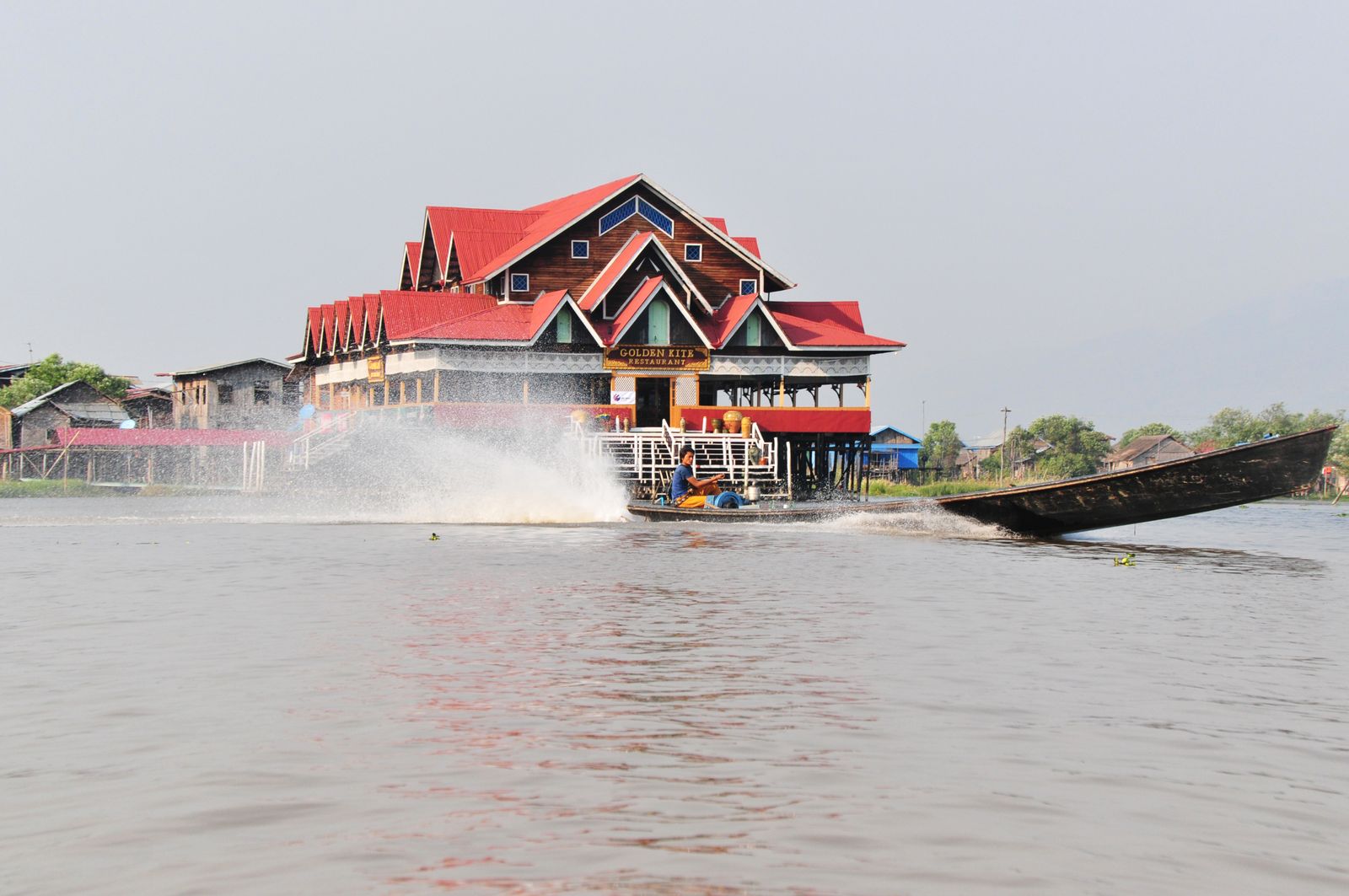
Inle Lake in Shan State is Myanmar’s most visited natural attraction — a large freshwater lake where Intha fishermen balance on one leg to work their distinctive leg-rowing paddles. A boat tour visits floating gardens, stilted villages, the Phaung Daw Oo Pagoda, and the five-day rotating market. Early morning provides the best light and calmer water.
14. Visit Indein’s Pagoda Forest
At the southwestern end of Inle Lake, a canal leads to Indein village and a hillside covered in hundreds of crumbling, vine-wrapped stupas. The restoration work in progress makes part of the site gleam, while older sections retain their atmospheric decay. Allow half a day from Nyaungshwe.
15. Trek from Kalaw to Inle Lake
The two- to three-day trek from Kalaw to Inle Lake is one of the most popular multi-day hikes in Southeast Asia. The route passes through Shan, Pa-O, and Danu villages and crosses agricultural highlands rarely seen by independent travellers. Operators in Kalaw arrange guided treks; food and basic guesthouse accommodation are typically included. See our Myanmar itinerary guide for how to fit this into a two-week trip.
16. Explore Hsipaw (When Accessible)
The small market town of Hsipaw in northern Shan State has long been a base for independent trekking to Shan and Palaung villages. Access and conditions fluctuate; always verify current travel safety and permit requirements through a reputable local operator before heading north of Mandalay. Read our safety guide for the latest context.
Coastal and Remote Myanmar
17. Relax on Ngapali Beach
Ngapali is Myanmar’s best-known beach destination — a quiet stretch of white sand backed by palms on the Bay of Bengal. It remains relatively undeveloped compared to regional competitors. A handful of mid-range and upmarket resorts operate here. The main season runs from October to April; outside these months, the monsoon makes swimming unreliable. Check Myanmar weather patterns before booking.
18. Explore Mrauk U (When Accessible)
The ancient capital of the Arakanese kingdom, Mrauk U, holds dense clusters of temples rivalling Bagan in historical depth, but receiving a fraction of the visitors. Access is by overnight ferry from Sittwe; the route passes through areas where conditions can change. Verify current access through a local operator before planning this trip.
Cross-Regional Experiences
19. Attend a Traditional Festival
Myanmar’s calendar is rich with Buddhist and ethnic festivals — Thingyan (water festival) in April, Thadingyut (festival of lights) in October, and dozens of local pagoda festivals tied to the lunar calendar. Timing your trip around one of these events adds a dimension no temple visit can replicate. See our guide to Myanmar festivals for dates and tips.
20. Learn About Myanmar Culture Through Its Food
Mohinga (a fish-based rice noodle soup, widely considered the national dish), shan noodles, lahpet thohk (tea-leaf salad), and a wide variety of curries reflect the country’s ethnic diversity. Eating at local tea houses rather than tourist restaurants is cheaper and more authentic. Read our Myanmar food guide before you arrive.
Plan Your Trip
For help deciding when to visit, see our best time to visit Myanmar article. For guided itineraries connecting these highlights, our Myanmar tours guide explains how to choose a reputable operator.
FAQ
What are the top things to do in Myanmar for first-time visitors?
For a first visit, prioritise Shwedagon Pagoda in Yangon, the temple plains of Bagan (with a sunrise e-bike ride), U Bein Bridge near Mandalay, and a boat day on Inle Lake. These four destinations form the classic “Myanmar loop” and can be covered in seven to ten days.
Is Myanmar suitable for independent travel?
Parts of Myanmar — Yangon, Bagan, Mandalay, Inle Lake, Ngapali — are well set up for independent travellers with guesthouses, domestic flights, and buses. Remote areas and border regions require more preparation, local guides, and current safety checks. Always verify permit requirements before heading off the standard circuit.
What is the best season for outdoor activities in Myanmar?
The cool dry season from roughly November to February is the most comfortable for outdoor sightseeing, trekking, and balloon flights. March and April are hotter but still largely dry. The monsoon season (May–October) brings heavy rain; some sites become difficult to access, but crowds are minimal and the landscape is lush.
Are there ethical considerations when visiting Myanmar?
Many travellers research the ethical implications of tourism in Myanmar given the country’s political situation. If you choose to visit, spending money at locally owned guesthouses, restaurants, and independent guides rather than large state-linked businesses is widely recommended by responsible tourism organisations. This is a personal decision; consult current guidance from organisations such as the Tourism Transparency project.
Do I need a visa for Myanmar?
Most foreign nationals require a visa for Myanmar. An e-visa is available for eligible nationalities via the official Myanmar e-visa portal. Rules change; verify the current requirements with your country’s embassy or the Myanmar Embassy in your country well before travel.