Myanmar Festivals Calendar: Thingyan & Beyond
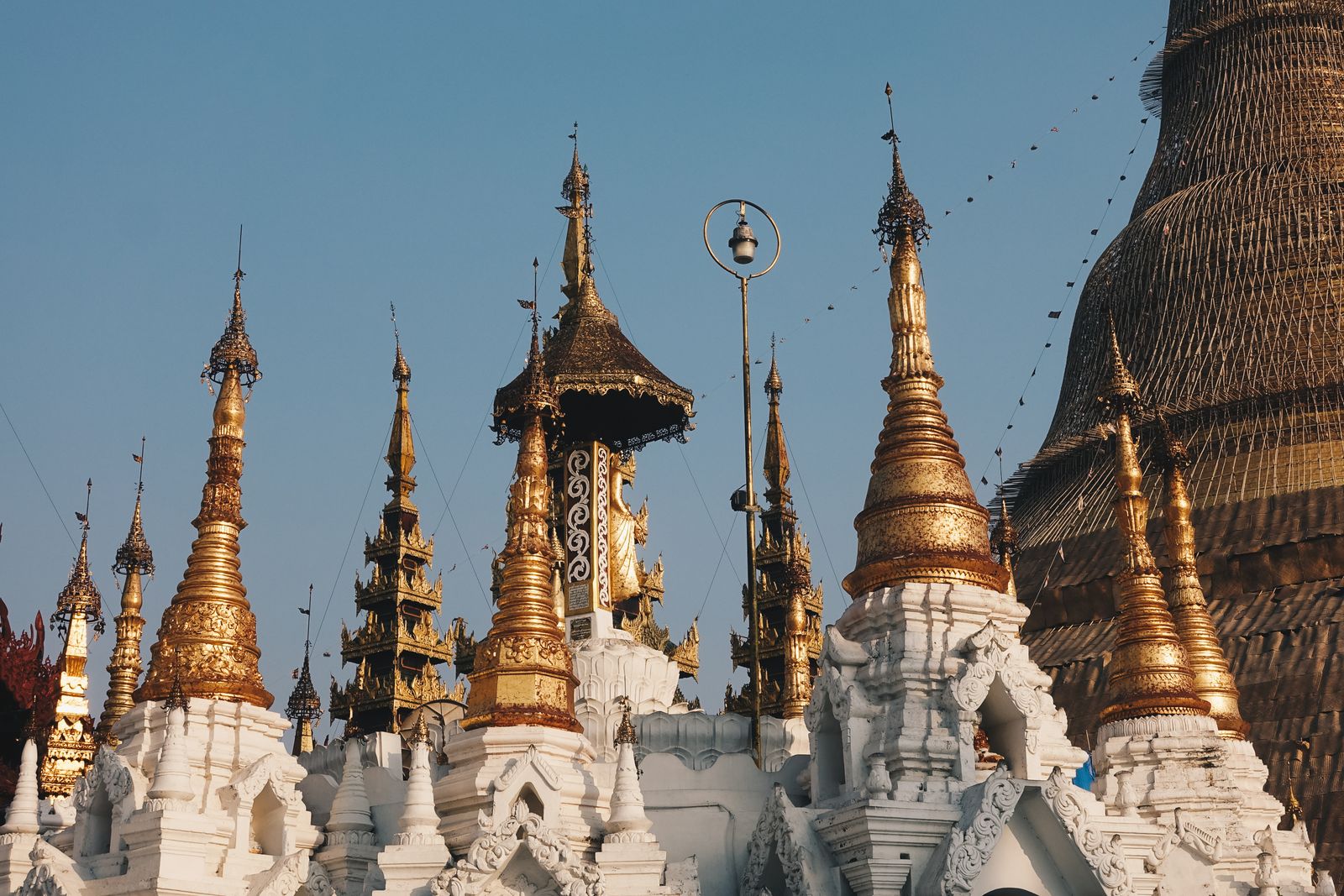
Photo: Kopchai Limpanataywin (Pexels)
Myanmar festivals follow the traditional Burmese lunar calendar, which means dates shift from year to year relative to the Western calendar. The festival cycle is rich — there is something happening in almost every month — ranging from water-drenching street celebrations to serene candlelit processions and hot-air balloon competitions. This guide gives you a month-by-month overview of the main festivals in myanmar, what to expect at each one, and how to plan your visit around them.
Myanmar Festivals at a Glance
The table below maps the main burmese festivals to their approximate Gregorian months. Because the Burmese calendar is lunisolar, exact dates vary each year — always check a current source before booking.
| Approx. Month | Festival | Theme |
|---|---|---|
| January | Ananda Pagoda Festival (Bagan) | Buddhist pilgrimage, temple fair |
| February | Htamane Festival | Community, glutinous rice cooking |
| March–April | Shwe Dagon Pagoda Festival | Buddhist pilgrimage, Yangon |
| April (mid) | Thingyan (Water Festival) | Myanmar New Year, water throwing |
| May | Kason Festival (Full Moon) | Buddha’s Birthday, watering of trees |
| July | Waso (Buddhist Lent begins) | Robe-offering, monk ordination |
| October | Thadingyut (Festival of Lights) | End of Buddhist Lent, candles & lights |
| November | Tazaungdaing | Hot-air balloons, weaving competitions |
| November | Elephant Festival (Taungoo / Bagan) | Elephant processions and mahout displays |
| December | Kayin New Year | Karen ethnic minority celebrations |
The Major Festivals in Myanmar Explained
Thingyan — The Water Festival (April)
Thingyan is the biggest event in the myanmar festivals calendar and one of the most exuberant public celebrations in all of Southeast Asia. It falls in mid-April over four to five days and marks the end of the old year and the beginning of the Burmese New Year.
The central activity is water throwing. Stages called mandats are built along major streets in Yangon, Mandalay, and other cities, equipped with hoses and water-gun arrays. Trucks loaded with revelers drive slowly through the streets while bystanders drench them. The logic is spiritual — water washes away the sins and bad luck of the past year — but the atmosphere is pure carnival.
Travel tips for Thingyan:
- Book accommodation at least two to three months in advance. Hotels fill quickly and prices rise.
- Transport between cities grinds to a near-halt for several days — plan to arrive before or stay put.
- If you prefer to observe rather than participate, quieter districts and monastery areas remain calm throughout.
- Cameras and phones need waterproofing. Dry bags are sold at markets for very little.
Kason Festival (May — Full Moon of Kason)
Kason is the second month of the Burmese calendar and the full moon falls around May in the Gregorian calendar. The festival commemorates three key events in Buddha’s life: his birth, enlightenment, and first sermon. Devotees pour water on the roots of sacred banyan trees to symbolize nourishment and gratitude. Pagoda grounds across the country hold fairs with music and food stalls.
Where to experience it: The Shwe Dagon Pagoda in Yangon is the focal point, with long processions carrying water vessels throughout the night.
Waso and Buddhist Lent (July–October)
Waso marks the start of the Buddhist Lent (Vassa), a three-month retreat period when monks remain in their monasteries. It is not a public street festival, but it is a significant time for meritmaking. Laypeople present yellow monks’ robes to monasteries across the country. Ordination ceremonies, where young men temporarily enter the monkhood, are common and can be witnessed with respectful distance.
Thadingyut — Festival of Lights (October)
Thadingyut marks the end of Buddhist Lent and is the second-largest festival after Thingyan. It celebrates the Buddha’s descent from heaven and the reunion of families. For three nights, homes, pagodas, and streets are lit with oil lamps, electric lights, candles, and lanterns. The effect in cities like Mandalay and Bagan, already dramatic for their temple skylines, is genuinely spectacular.
Travel tips for Thadingyut:
- This is a popular time for domestic travel. Book ahead.
- The celebration is quieter and more spiritual than Thingyan — respectful photography is generally welcomed.
- Bagan, with hundreds of ancient temples, is arguably the most atmospheric place to spend the festival.
Tazaungdaing — Balloon Festival (November)
One month after Thadingyut, Tazaungdaing brings the hot-air balloon festival to Taunggyi in Shan State. Teams compete to launch the most impressive fire balloons into the night sky, often rigged with fireworks that ignite at altitude. The scene — dozens of glowing balloons rising over a dark hillside while fireworks streak in every direction — is unlike anything else in Southeast Asia.
Alongside the balloon launches, the festival includes weaving competitions in which women work through the night to complete a monk’s robe before dawn, a tradition tied to ancient stories of celestial weavers.
Travel tips for Tazaungdaing:
- Taunggyi requires a flight or a long overland journey from Yangon. Plan for an early booking.
- The nighttime balloon launches are the main draw. The largest crowds gather for the competitions, not the daytime events.
- Dress warmly — Taunggyi is at altitude and November nights are cool.
Ananda Pagoda Festival (January, Bagan)
Held at the Ananda Temple in Bagan during the full moon of Pyatho (usually January), this festival draws pilgrims from across the country. Monks, vendors, and worshippers fill the temple grounds for several days. It is one of the most atmospheric religious fairs in Myanmar for visitors who want to see traditional devotion alongside pagoda crafts and local food.
Htamane Festival (February)
Htamane (glutinous rice cooked with peanuts, sesame, ginger, and coconut) is prepared communally in large pots during the full moon of Tabodwe, around February. Neighborhoods gather to stir enormous vats together with long wooden paddles — the effort is communal by design. The resulting food is shared and offered to monks.
Karen (Kayin) New Year (December)
The Karen ethnic minority, concentrated in Kayin State and the delta region, celebrate their New Year in December with traditional dances, music, and ceremonies. It is a public holiday in Myanmar and a chance to see one of the country’s many distinct ethnic cultures in festive mode.
Practical Tips for Attending Myanmar Festivals
- Dates shift each year. The Burmese lunar calendar means Thingyan could fall anywhere between early and late April. Check the official calendar for the specific year you are traveling.
- Dress modestly at religious events. Remove shoes before entering pagoda grounds. Cover shoulders and knees. Longyi (traditional wraparound garment — see our guide to the myanmar longyi) are welcomed and can be rented at major temples.
- Book transport and accommodation early. Domestic flights and buses sell out weeks before major festivals.
- Try the seasonal food. Festival grounds are excellent places to discover traditional sweets and dishes you will not find the rest of the year. Read our myanmar food guide for what to look for.
- Respect restrictions. Some ceremonies and inner temple areas are closed to non-Buddhists. Observe signage and defer to local guidance.
For the best overall timing to visit, see our guide to the best time to visit Myanmar.
Looking to join a guided festival tour? Browse Myanmar festival tours on Viator
FAQ
When is the Thingyan water festival?
Thingyan falls in mid-April each year, covering the days leading up to and including the Burmese New Year. The exact dates shift slightly year to year based on the lunisolar calendar — the celebration typically runs for four to five days.
Is it safe to attend Thingyan as a tourist?
Thingyan is generally a joyful and welcoming festival, but it is very crowded and involves sustained water-throwing. Be prepared to get completely wet, protect any valuables in waterproof bags, and be aware that some areas see heavy alcohol consumption in the evenings. Check current travel advisories from your government before visiting Myanmar.
What is the festival of lights in Myanmar called?
The Festival of Lights is called Thadingyut. It marks the end of Buddhist Lent in October and involves three nights of candle and lamp lighting at homes, pagodas, and along streets across the country.
What happens at the Tazaungdaing balloon festival?
Teams in Taunggyi, Shan State, compete to launch large paper fire balloons rigged with fireworks into the night sky. The launches are competitive, with prizes for the best designs and highest-altitude fireworks. Alongside the balloons, traditional weaving competitions run through the night.
Do Myanmar festivals follow the Western calendar?
No. Most burmese festivals follow the traditional Burmese lunisolar calendar, which means their Gregorian-calendar dates shift each year. The only consistent anchor is that Thingyan falls in mid-April and Thadingyut in October — but the precise days vary. Always confirm dates for the specific year of your trip.