Made in Myanmar: Products, Exports & Suppliers
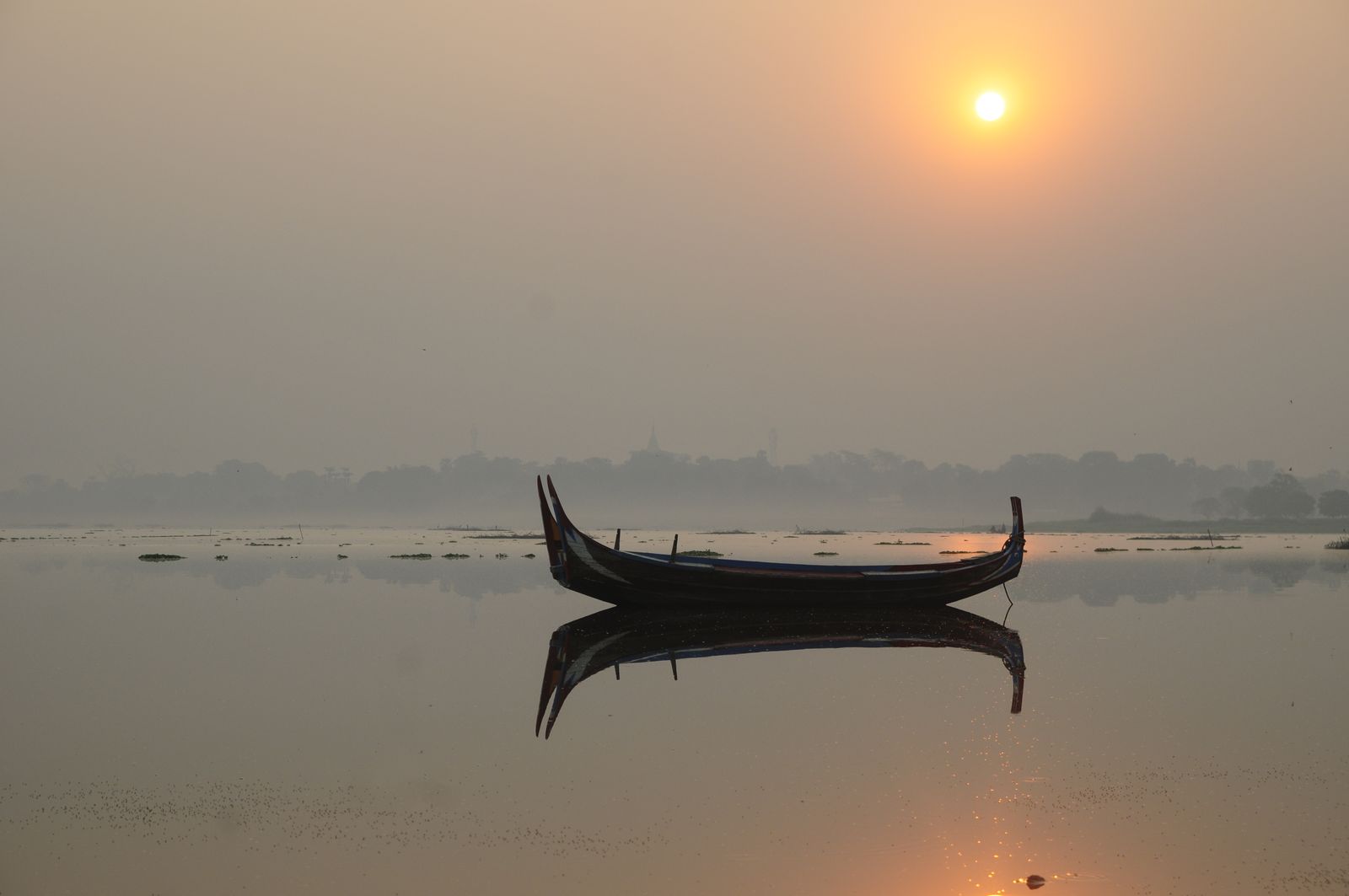
Photo: Linn Htut (Pexels)
Made in Myanmar covers an extraordinarily diverse range of goods — from precision-cut rubies and raw jadeite to bolts of handwoven silk, teak furniture, and frozen seafood loaded onto refrigerated vessels in Yangon. Myanmar’s export base spans both industrial-scale manufacturing and centuries-old artisan traditions, making it a sourcing destination unlike any other in Southeast Asia.
This guide walks through the principal export categories, what distinguishes Myanmar-origin goods, and the practical — and ethical — considerations buyers and importers need to keep in mind right now.
Key Made in Myanmar Export Categories
Garments & Cut-Make-Pack (CMP)
Garment manufacturing is among Myanmar’s most significant industrial exports by value. The sector grew rapidly during the 2010s as global apparel brands sought cost-competitive alternatives in the region. Myanmar factories primarily operate on a CMP (Cut, Make, Pack) model: imported fabric is cut, assembled, and packed to buyer specifications, then re-exported.
Major production zones are concentrated around Yangon, particularly in the industrial townships of Hlaing Tharyar and Shwe Pyi Thar. Product lines typically include basic knitwear, woven shirts, trousers, and outerwear destined for European and Asian markets.
Buyers evaluating garment sourcing must apply thorough supply-chain due diligence given the current political and regulatory environment (see the sanctions note below). Working conditions, factory ownership structures, and potential links to sanctioned entities all warrant independent investigation.
Agricultural Products
Myanmar’s agricultural sector remains a backbone of the economy. Key export commodities include:
- Pulses and beans — Myanmar has long been one of the world’s largest exporters of lentils, black-eyed peas, pigeon peas, and chickpeas, primarily to India and China.
- Rice — a staple crop with export surpluses in good years, though volumes fluctuate with weather and policy.
- Maize (corn) — increasingly important, mainly exported to China for animal feed.
- Sesame — Myanmar sesame is prized in Asian markets, particularly Japan and South Korea.
- Tropical fruits — including watermelon, mango, and dragon fruit grown in the dry zone and delta regions.
Agricultural supply chains can involve smallholder farmers, regional brokers, and state-linked entities at various points. Buyers sourcing agricultural commodities should map the chain carefully.
Precious Gems & Jade
Myanmar is globally recognized for some of the world’s finest gemstones. Mogok Valley rubies — particularly the “pigeon blood” variety — command premium prices internationally. Myanmar is also the dominant global source of high-quality jadeite, the form of jade most prized in Chinese and East Asian markets.
The gems sector has specific and significant compliance dimensions. We cover this in detail in our dedicated guide: Myanmar Gems & Jade: The Complete Guide.
Teak & Timber
Burmese teak (Tectona grandis) has been prized for centuries in shipbuilding, furniture, and construction due to its natural oil content, density, and resistance to weathering. Myanmar holds some of the world’s largest remaining natural teak reserves.
The government imposed a log export ban some years ago to encourage domestic processing, so teak now primarily leaves the country as sawn timber, flooring, or finished furniture rather than raw logs. Import regulations on teak vary by destination country — the EU Timber Regulation and similar frameworks in other jurisdictions require due diligence documentation on legal origin.
Handicrafts & Traditional Crafts
Myanmar’s artisan economy produces distinctive goods that carry genuine cultural and artistic value:
- Lacquerware — Bagan is the traditional center of this craft; layered lacquer applied over bamboo or wood frames, often intricately engraved.
- Marionettes (yama zatgyi) — hand-carved and costumed traditional puppets from Mandalay.
- Handwoven textiles — longyi fabric, silk from Inle Lake’s lotus-fiber weavers, and cotton from Chin State hill communities.
- Silver and metalwork — particularly from Mandalay craftspeople.
- Woodcarving — furniture, decorative panels, and religious objects.
Handicrafts often come from small workshops and cooperatives. Buying direct or through verified intermediaries who can confirm fair payment to artisans is good practice.
Seafood & Fisheries Products
Myanmar’s long coastline along the Bay of Bengal and Andaman Sea supports both marine and aquaculture fisheries. Export products include:
- Fresh and frozen shrimp/prawns
- Fish meal and dried fish
- Freshwater fish from delta areas
As with garments and gems, seafood supply chains have drawn scrutiny from NGOs and certification bodies over labor conditions. Buyers should request chain-of-custody documentation and look for independently verified audits where possible.
Sourcing Made in Myanmar Products: Practical Steps
Interested in importing from Myanmar? The process typically involves:
- Identify the product category and target suppliers — trade directories, industry associations, and trade shows (historically, the Myanmar International Goods Exhibition in Yangon) are starting points. Our Myanmar Business Directory lists companies by sector.
- Verify company registration — the Directorate of Investment and Company Administration (DICA) maintains a company register. Legitimate exporters will have DICA registration numbers.
- Confirm export licensing — certain goods (gems, teak) require specific export licenses from Myanmar authorities. Ask for copies.
- Engage a reputable freight forwarder — Myanmar trade logistics require local knowledge; established forwarders based in Yangon can advise on current procedures and documentation.
- Review your import country requirements — rules on Myanmar-origin goods vary significantly by destination and product type.
Sanctions & Due Diligence: An Important Note
The political situation in Myanmar following February 2021 has resulted in significant sanctions measures imposed by the United States, European Union, United Kingdom, Canada, Australia, and other jurisdictions. These sanctions target individuals, entities, and sectors including the gem industry and state-owned enterprises.
This article does not constitute legal advice. Buyers and importers must:
- Consult qualified legal counsel in their jurisdiction before entering into contracts.
- Screen counterparties against current sanctions lists (OFAC SDN list, EU consolidated list, OFIS, etc.).
- Apply enhanced due diligence proportionate to the risk profile of the sector and supply chain.
- Check for updates regularly, as sanctions designations change.
Engaging with Myanmar trade is not categorically prohibited for all buyers in all jurisdictions, but the compliance obligation is real and varies by country, sector, and specific counterparty. Do your homework.
Find Myanmar Suppliers in Our Directory
The Myanmar Business Directory is a useful first step for finding exporters, manufacturers, trading companies, and agents across the sectors described above. Listings include contact details, business category, and location.
For further context on trade, investment climate, and operating in Myanmar, see our guide to Doing Business in Myanmar.
FAQ
What are the most exported products from Myanmar?
Garments/apparel (CMP), natural gas, agricultural commodities (especially pulses and beans), gemstones and jade, and teak are historically among Myanmar’s top exports by value. The mix shifts depending on global commodity prices and policy changes.
Is it legal to import goods made in Myanmar?
It depends on your country, the specific product, and who you are buying from. Many categories of goods can still be imported legally, but sanctions imposed since 2021 restrict trade with certain entities and sectors (notably gems and state-owned enterprises). Buyers must conduct due diligence and consult legal counsel in their jurisdiction.
Where can I find verified Myanmar exporters and suppliers?
The DICA company register is an official source. Trade associations such as the Union of Myanmar Federation of Chambers of Commerce and Industry (UMFCCI) have maintained directories. Our own Myanmar Business Directory lists businesses by sector as a starting point.
What is CMP manufacturing in Myanmar?
CMP stands for Cut, Make, Pack — a manufacturing model where factories receive imported fabric (or other materials), cut and assemble the finished product to buyer specifications, and pack it for export. The factory adds labor and manufacturing overhead; the buyer supplies materials and design. It is the dominant model in Myanmar’s garment sector.
Are Myanmar handicrafts safe to import?
Handcrafted goods such as lacquerware, textiles, and woodcarvings are generally lower-risk from a sanctions perspective than gems or garments sourced from large industrial entities, though buyers should still verify the specific supplier. There are no blanket restrictions on handicraft imports in most Western jurisdictions, but confirm with legal counsel based on your location.