Myanmar's Economy: Sectors, Trade & Outlook
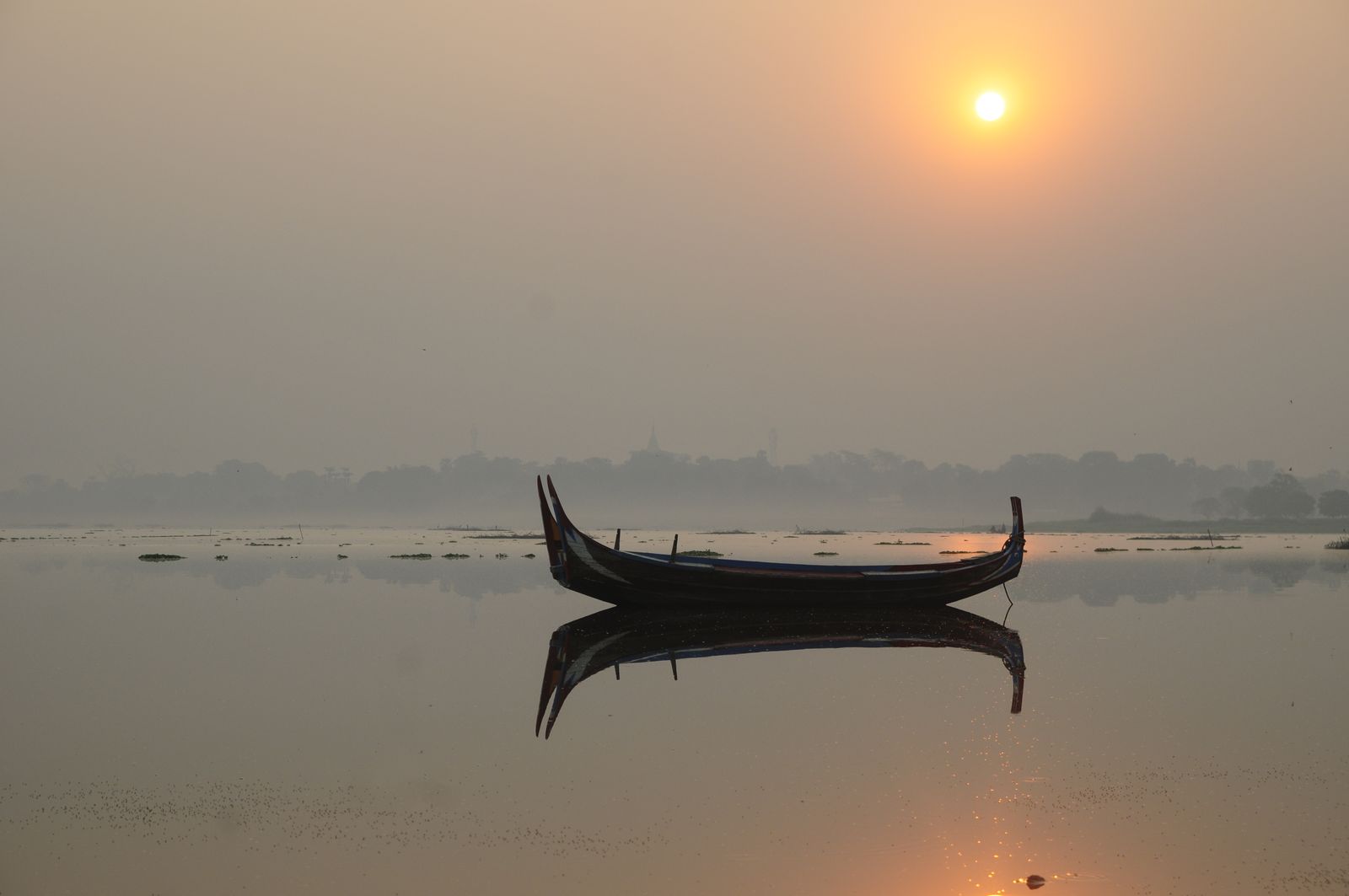
Photo: Chit Moe (Pexels)
Myanmar’s economy is one of Southeast Asia’s most complex and, in recent years, one of its most troubled. Rich in natural resources and agricultural land, with a young population and a strategically significant geography, the country had drawn considerable international investor interest during a decade of partial opening. That picture changed sharply after February 2021, and anyone engaging with Myanmar’s economy today — whether as a researcher, trader, investor, or policymaker — must weigh both the structural endowments and the profound challenges the country now faces.
A Note Before You Read
This article provides a general educational overview of Myanmar’s economic sectors and trade relationships. It is not financial or investment advice. The situation in Myanmar has been highly volatile since 2021, and figures or assessments that were accurate before that date may no longer reflect current realities. Readers considering any trade or investment engagement should consult qualified legal, financial, and sanctions professionals. See also our detailed guide on doing business in Myanmar for compliance and practical considerations.
Myanmar’s Economic Geography
Myanmar borders China, India, Bangladesh, Laos, and Thailand — giving it access to some of the world’s most dynamic economies — and has a long coastline along the Bay of Bengal and Andaman Sea. Its land area is the largest in mainland Southeast Asia.
This geography creates natural advantages: trade corridor potential, agricultural land watered by the Ayeyarwady (Irrawaddy) and Salween river systems, maritime export access, and proximity to large consumer markets. Urban centres — particularly Yangon — had developed into significant commercial hubs in the reform decade between roughly 2011 and 2021.
Key Economic Sectors
Agriculture
Agriculture is the foundation of Myanmar’s economy and the largest source of livelihood for the majority of the population, particularly in rural areas. Rice is the dominant crop and a major export commodity; Myanmar was historically one of the world’s largest rice exporters, and while its position has shifted over the decades, rice farming remains central to economic and food security.
Beyond rice, Myanmar produces significant quantities of pulses (particularly lentils, black-eyed peas, and pigeon peas), sesame, sugarcane, and fruits and vegetables. Pulses have been an important export commodity, with substantial trade flows to India and China. The fishing sector is also significant, with both freshwater and marine resources.
Infrastructure limitations in irrigation, storage, and rural transport have constrained agricultural productivity, and cyclone risk in the Irrawaddy delta adds further uncertainty.
Garments and Light Manufacturing
From roughly 2012 onward, Myanmar’s garment and textile sector expanded significantly as global apparel brands sought lower-cost production alternatives in the region. Yangon became home to a substantial number of export-oriented garment factories, producing clothing for major international brands and retailers.
The sector became a significant source of formal employment — particularly for women — and a meaningful foreign-exchange earner. Since 2021, many international brands have exited or suspended Myanmar sourcing on human-rights grounds; factory closures and logistics disruptions have contracted the sector substantially.
Gems, Jade, and Precious Stones
Myanmar is one of the world’s most significant sources of rubies, sapphires, and jade. The Mogok Valley has been celebrated for its rubies for centuries; the jade mines of Kachin State (particularly around Hpakant) have produced the majority of the world’s commercially traded jadeite.
The gems and jade sector is both an economic asset and a source of acute due-diligence concern. It is closely intertwined with military-linked commercial entities and has been associated with human-rights concerns and environmental damage. Multiple Western jurisdictions have enacted specific import prohibitions or restrictions on Myanmar jade and gems. For anyone considering sourcing in this sector, the compliance burden is exceptionally high. See our dedicated guide on Myanmar gems and jade for more detail.
Natural Gas and Energy
Myanmar has significant offshore natural gas reserves, and natural gas exports — primarily to Thailand and China — have historically been a major source of foreign exchange and government revenue. Several offshore gas projects (including the Yadana and Yetagun fields) have operated for decades under arrangements with international energy companies and state entities.
Oil production is more modest than gas. There is also hydropower potential, and a number of dam projects on major rivers have been developed or proposed, often with Chinese or regional financing. Energy infrastructure more broadly — power generation, transmission, and access — has been a persistent challenge; substantial portions of the population have historically lacked reliable grid electricity.
Trade Partners and Trade Flows
Myanmar’s trade relationships reflect its geographic position and development model.
| Partner | Nature of relationship |
|---|---|
| China | Largest trading partner; major source of imports, investment, and infrastructure financing; key destination for jade, timber, and agricultural goods |
| Thailand | Major trading partner, particularly for natural gas exports and border trade; destination for labour migration |
| India | Significant trade relationship, particularly for agricultural goods (pulses); border trade through Mizoram and Manipur |
| Japan | Historical development partner; significant ODA (official development assistance) and infrastructure investment |
| Singapore | Key financial and logistics hub for Myanmar-linked businesses; many Myanmar companies have regional headquarters or holding structures there |
| EU / US | Were growing trade partners during the reform decade; significantly reduced since 2021 due to sanctions and sourcing exits |
Trade data since 2021 is difficult to verify independently. Organisations such as the World Bank, Asian Development Bank (ADB), and International Monetary Fund (IMF) have noted significant contractions in economic activity and trade, though exact figures vary by source and methodology.
Structural Challenges
Even before 2021, Myanmar’s economy faced persistent structural constraints: infrastructure gaps in roads, ports, and power; weaknesses in property rights and contract enforcement; low financial inclusion; and ongoing armed conflicts in ethnic border states that limited investment and displaced populations.
Since 2021, these challenges have been compounded by the political crisis, sanctions, international isolation, capital flight, and severe disruption to public services including healthcare and education. According to assessments by the World Bank and ADB, these factors have combined to produce significant economic contraction and rising poverty.
Outlook
Providing a confident economic outlook for Myanmar is genuinely difficult. Multilateral organisations including the World Bank and ADB have noted significant economic contraction since 2021, rising poverty rates, and deteriorating human development indicators. The currency has experienced volatility. Inflation has eroded real incomes.
At the same time, Myanmar’s fundamental endowments — its resources, geography, agricultural base, and population — remain in place. Regional trade, particularly with China and Thailand, has continued through disruption. Informal economic activity has absorbed some of the formal-sector contraction.
For businesses and individuals researching Myanmar’s trade landscape, exploring specific sectors, or seeking to understand what the country produces for regional and global markets, our guide on made in Myanmar covers export products and manufacturing in more detail.
FAQ
What is Myanmar’s primary economic sector?
Agriculture is the economic sector that employs the largest share of Myanmar’s population and has historically been central to food security and export earnings. Natural resources — gas, gems, jade, and timber — are the most significant export earners by value in recent decades, though this varies by year and data source.
Who are Myanmar’s main trading partners?
China is Myanmar’s largest trading partner by a substantial margin, covering imports, exports, and investment. Thailand (especially for natural gas) and India (especially for agricultural goods) are other major partners. Singapore functions as a key financial and logistics hub. Trade with Western countries has declined significantly since 2021.
Has Myanmar’s economy grown or contracted in recent years?
According to assessments by the World Bank, ADB, and IMF, Myanmar’s economy contracted significantly following the events of February 2021. Rising inflation, currency depreciation, banking disruption, and the exit of international investors and brands all contributed. The scale of contraction and any subsequent recovery is difficult to assess precisely with available data.
What are Myanmar’s main exports?
Historically, Myanmar’s main exports have included natural gas, jade and gemstones, garments and textiles, rice and pulses, and timber. The relative importance of these categories has shifted over time, and the disruption since 2021 has affected export flows across most categories.
Is Myanmar part of ASEAN?
Yes. Myanmar is a member of the Association of Southeast Asian Nations (ASEAN) and participates in ASEAN trade frameworks, though its political situation has complicated its relationships within that grouping since 2021.