Myanmar Visa Guide: Types, eVisa & Requirements
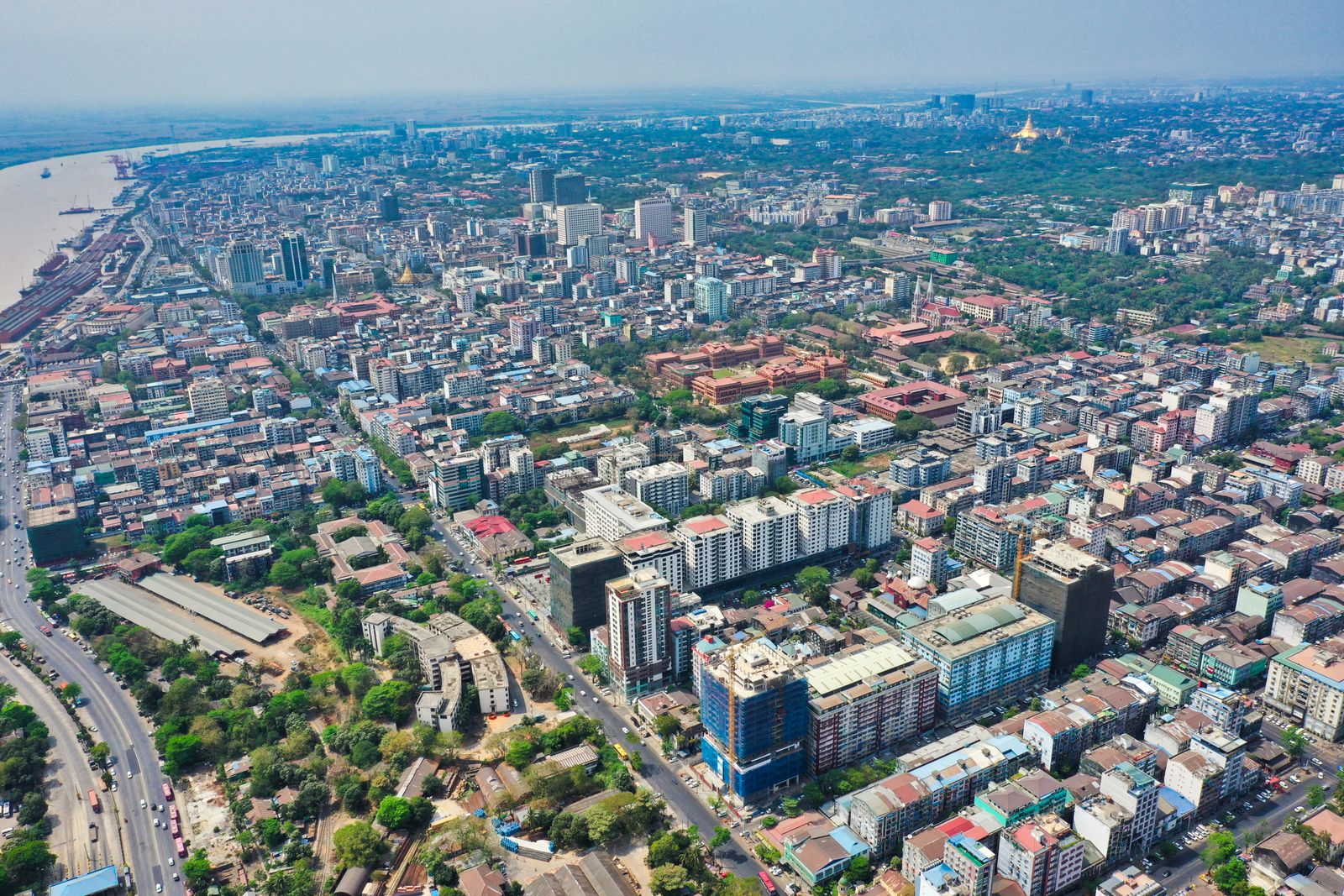
Photo: thiha soe (Pexels)
Myanmar’s visa rules have changed multiple times in recent years, and the current political situation means entry policies can shift with little notice. As a general rule, most foreign nationals need a visa before arriving in Myanmar. The government has operated an eVisa system for tourist and business visitors, though availability, processing times, and eligible nationalities are subject to change. Before applying for any visa, verify current requirements on the official Myanmar eVisa portal and with your nearest Myanmar embassy or consulate.
Important notice: This guide provides a general overview for research purposes. Visa rules, fees, eligible nationalities, permitted entry points, and visa-on-arrival availability change without warning. Always confirm current requirements on the official Myanmar eVisa portal: evisa.moip.gov.mm and check your government’s travel advisory — entry may not be advisable regardless of visa availability. See our Myanmar safety guide for the current security context.
Myanmar Visa Types: An Overview
Myanmar has historically offered several visa categories for foreign visitors. The most relevant for leisure and business travelers are:
Tourist eVisa (Single Entry)
The tourist eVisa is designed for visitors intending to sightsee and travel within Myanmar for a limited stay. Historically, this visa has been valid for a stay of around 28 days from the date of entry, within a window of a few months from the issue date. It is single-entry.
Key features (verify on the official portal):
- Applied for online through the government eVisa system
- No embassy visit required if applying through the eVisa portal
- Generally processed within a few business days, though processing times vary
- Approved applicants receive an electronic approval letter to present at the port of entry
Business eVisa (Single Entry)
The business eVisa serves travelers attending meetings, conferences, or conducting legitimate commercial activities. It typically allows a longer permitted stay than the tourist visa but requires documentation to support the purpose of travel (such as a letter of invitation from a Myanmar company or organization).
Other Visa Categories
Additional visa categories exist for those working, studying, or staying long-term in Myanmar. These typically require applying directly through a Myanmar embassy or consulate in your home country and are beyond the scope of this guide. Consult the relevant embassy for current requirements.
Visa on Arrival
Myanmar has offered visa-on-arrival facilities at certain entry points at various times, but availability, eligible nationalities, and designated ports have changed frequently. Do not assume visa on arrival is available to your nationality or at your intended entry point. Confirm with the official eVisa portal or embassy before traveling.
How the Myanmar eVisa Process Generally Works
The following is a general description of how the eVisa system has operated. Steps, fees, and requirements may differ from what you find when you apply — always follow current instructions on the official portal.
- Complete the online application form on the government eVisa portal, providing personal details as they appear in your passport.
- Upload a passport photo meeting the portal’s specifications (typically a recent, clear digital photo against a white background).
- Upload a copy of your passport bio-data page. Your passport must be valid for at least six months beyond your intended entry date.
- Pay the visa fee using the accepted payment method (typically an international credit or debit card). Fees are set by the government and may be adjusted; refer to the portal for current amounts.
- Receive your eVisa approval by email, usually within a few business days. Print this document or save it to your phone.
- Present the approval letter at the designated entry point, along with your passport and any other documents the immigration officer requests.
Required Documents
For a standard tourist eVisa application, you will generally need:
| Document | Details |
|---|---|
| Valid passport | Minimum 6 months validity from entry date; at least one blank visa page |
| Passport-size photo | Digital, recent, white background — check portal specs |
| Passport scan | Bio-data page, clearly legible |
| Return or onward ticket | Some immigration officers may ask for proof of onward travel |
| Accommodation details | Address of hotel or host for initial nights |
| Payment method | International credit/debit card for eVisa fee |
For a business eVisa, an invitation letter from a Myanmar entity is typically required.
eVisa Entry Points
Not all land borders and airports in Myanmar accept eVisa holders. Historically, eVisa entry has been permitted at:
- Yangon International Airport
- Naypyidaw International Airport
- Mandalay International Airport
- Select land border crossings (subject to change and current security conditions)
Verify the current list of accepted entry points on the official portal before booking flights or planning overland entry. Attempting to enter at an unauthorized port with an eVisa may result in being turned away.
Visa Validity and Extension
The tourist eVisa has historically been issued for a single entry with a permitted stay of around 28 days. Visa extensions have been possible in some periods through the Department of Immigration in Yangon, but policies on extensions change. Overstaying a visa carries fines and potential detention — keep track of your permitted stay and act early if you need an extension.
Practical Tips for a Smooth Application
- Apply well in advance — do not leave your eVisa application to the last few days before travel.
- Double-check all name spellings match exactly between your application, passport, and airline ticket.
- Keep a printed copy of your eVisa approval in addition to a digital backup.
- Check your nationality’s eligibility — not all passports are eligible for the eVisa; some nationalities must apply through an embassy.
- Stay informed about the security situation before you travel — a valid visa does not mean conditions are safe. See our full Myanmar safety guide.
Arriving in Myanmar: What to Expect
At immigration, you will typically fill in an arrival card (sometimes available on the plane or at the airport) and present your passport, eVisa approval letter, and any supporting documents. Immigration queues at Yangon International Airport can be lengthy during peak periods. Keep your documents organized and accessible.
Upon arrival, arranging connectivity is an early priority — having mobile internet helps with maps, translation, and staying aware of local news. Our Myanmar eSIM and SIM card guide explains current options for staying connected from the moment you land.
For planning your trip once entry is sorted, our guide to the best time to visit Myanmar covers seasonal weather patterns and how they affect travel conditions across different regions.
Need help with your visa application? Several established online visa facilitation services handle the paperwork on your behalf, useful if you find the official portal confusing or want an extra review before submission. These services charge a service fee on top of the government visa cost. Check current availability and fees via iVisa — always compare with the official portal to understand what is included.
FAQ
Do I need a visa to visit Myanmar?
Most foreign nationals require a visa to enter Myanmar. A small number of nationalities have historically been exempt, but this list changes. Check the official eVisa portal or contact the nearest Myanmar embassy to confirm your nationality’s current requirements.
How long does the Myanmar eVisa take to process?
Processing has historically taken between three and five business days, though it can be faster or slower depending on demand and government processing capacity. Apply at least two weeks before your intended travel date to allow a buffer.
Can I get a Myanmar visa on arrival?
Visa on arrival has been available at certain times and at select entry points, but it is not consistently available to all nationalities and the policy changes. Do not book non-refundable travel assuming visa on arrival will be available — confirm in advance on the official portal or at your nearest Myanmar embassy.
How long can I stay in Myanmar on a tourist visa?
The tourist eVisa has typically permitted stays of around 28 days. This can change. Check the official portal for the current permitted stay and be aware of your exact expiry date once you enter to avoid an overstay.
What happens if I overstay my Myanmar visa?
Overstaying is taken seriously and can result in fines, detention, and difficulties entering Myanmar (or other countries) in the future. If you find yourself approaching the end of your permitted stay, contact the Department of Immigration in Yangon or your country’s embassy for guidance before your visa expires.
Is it safe to travel to Myanmar once I have a visa?
Having a valid visa does not mean conditions are safe for travel. The security situation in Myanmar remains serious and is assessed differently by different governments. Read your government’s travel advisory carefully, and consult our dedicated Myanmar safety guide for a broader overview of current risks.
Last editorial review: July 2026. Visa rules, fees, and eligible nationalities are set by the Myanmar government and can change at any time. This article is for general orientation only. Always verify current requirements on the official Myanmar eVisa portal: evisa.moip.gov.mm before applying.